2025 - QUATTRO STAGIONI COLLECTION
This collection would not have come into this world without its patron.
The paintings may speak differently to each viewer, as they should. A painting reflects back only what the soul is ready to see. And if we accept that art feeds the soul then to support artists is to stand beside those who dare to explore the invisible, to give shape to what has not yet been spoken. With the help of people such as Emilio, the Medicis of today, we may hope for a declaration of the kind of world we choose to nurture, one where creation is given time, where meaning is not sacrificed to speed, and depth is valued over immediacy.
As I close this chapter of the ‘Quattro Stagioni, I carry with me the wisdom that these paintings have given me. They will live on, aiding the transfiguration of those who will come across them, subtly shifting the perfume of the space they inhabit and infusing the air with their authentic stories.
SPRING
CATERINA SFORZA - 200 x 270 cm
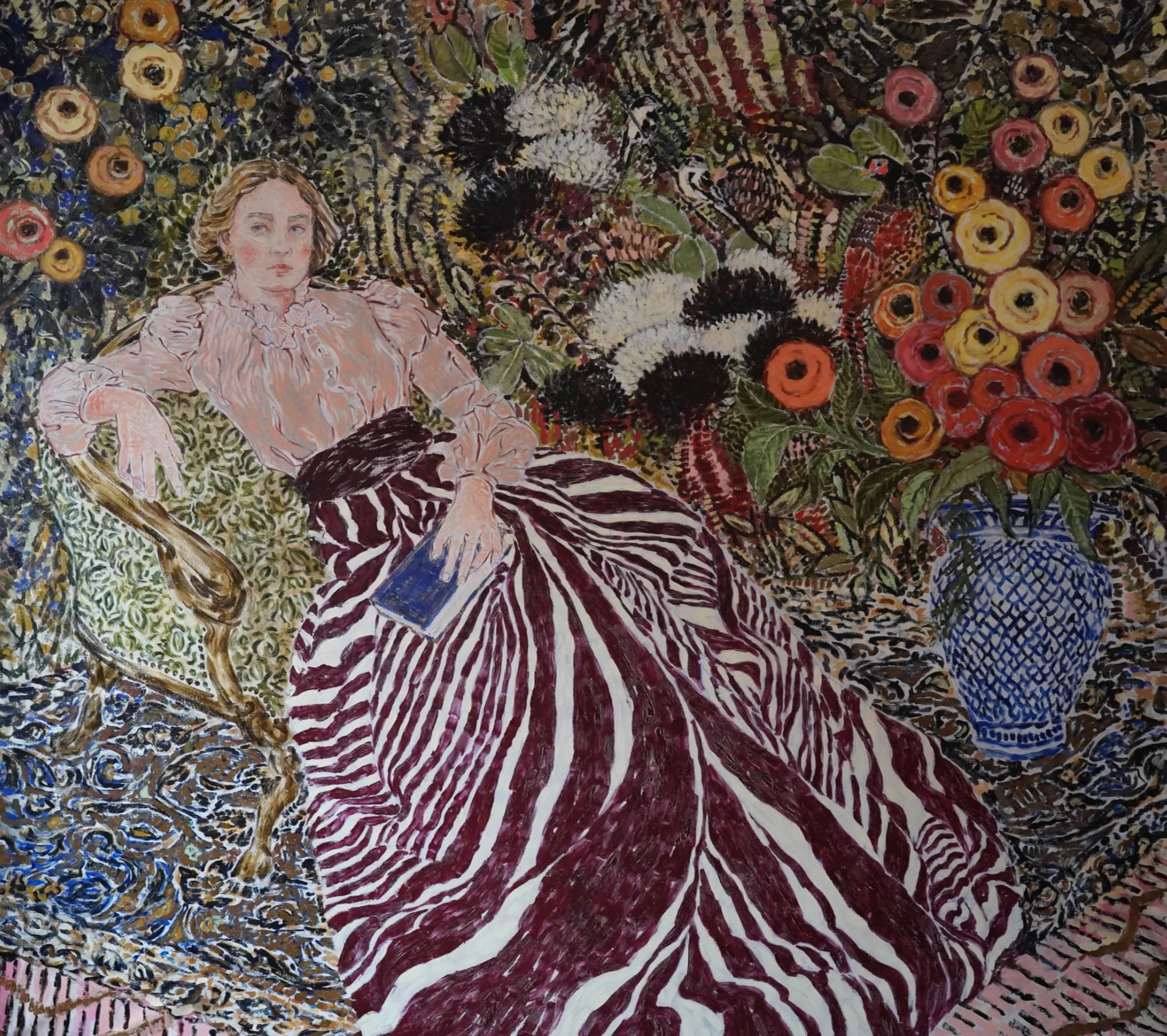
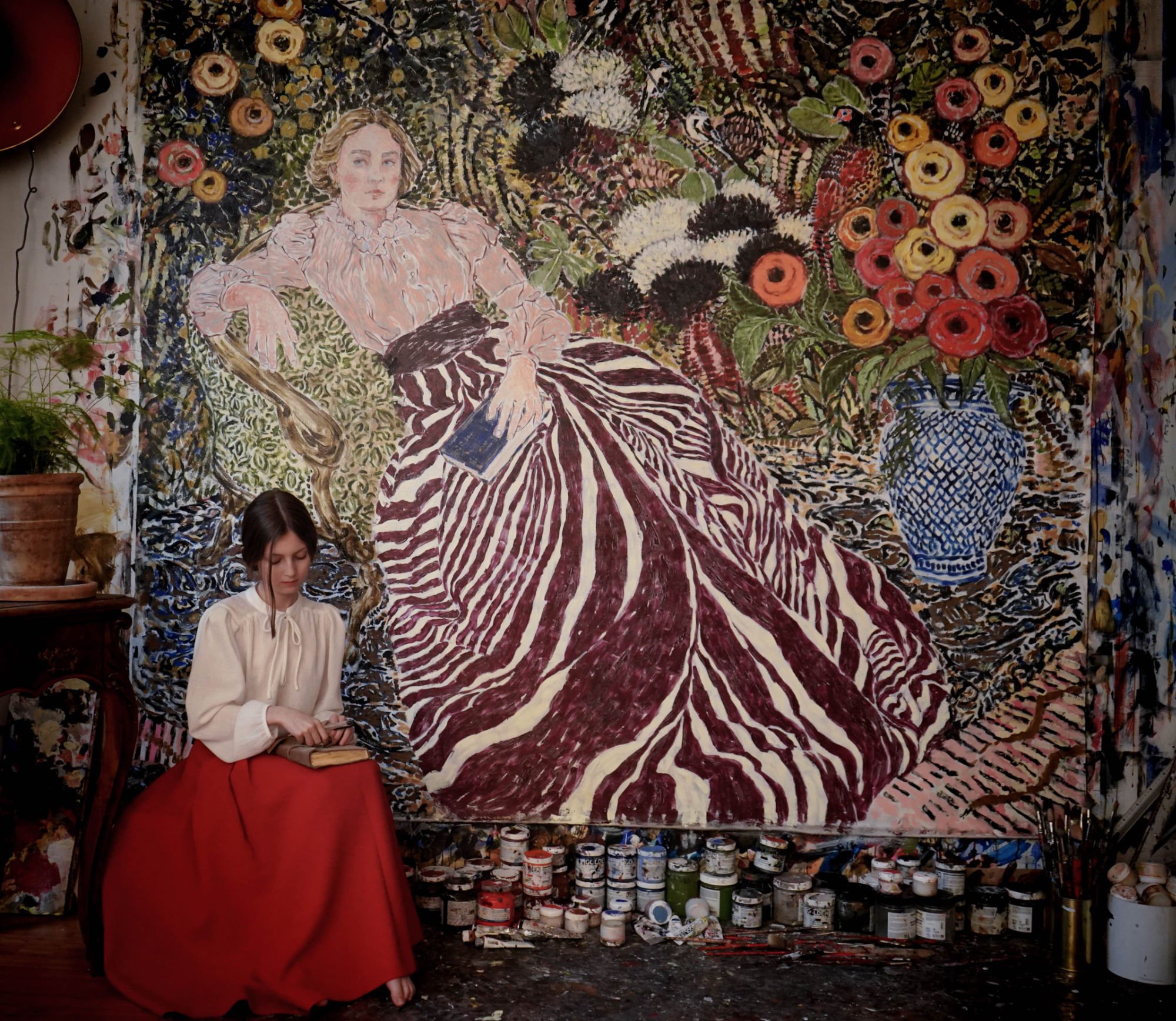
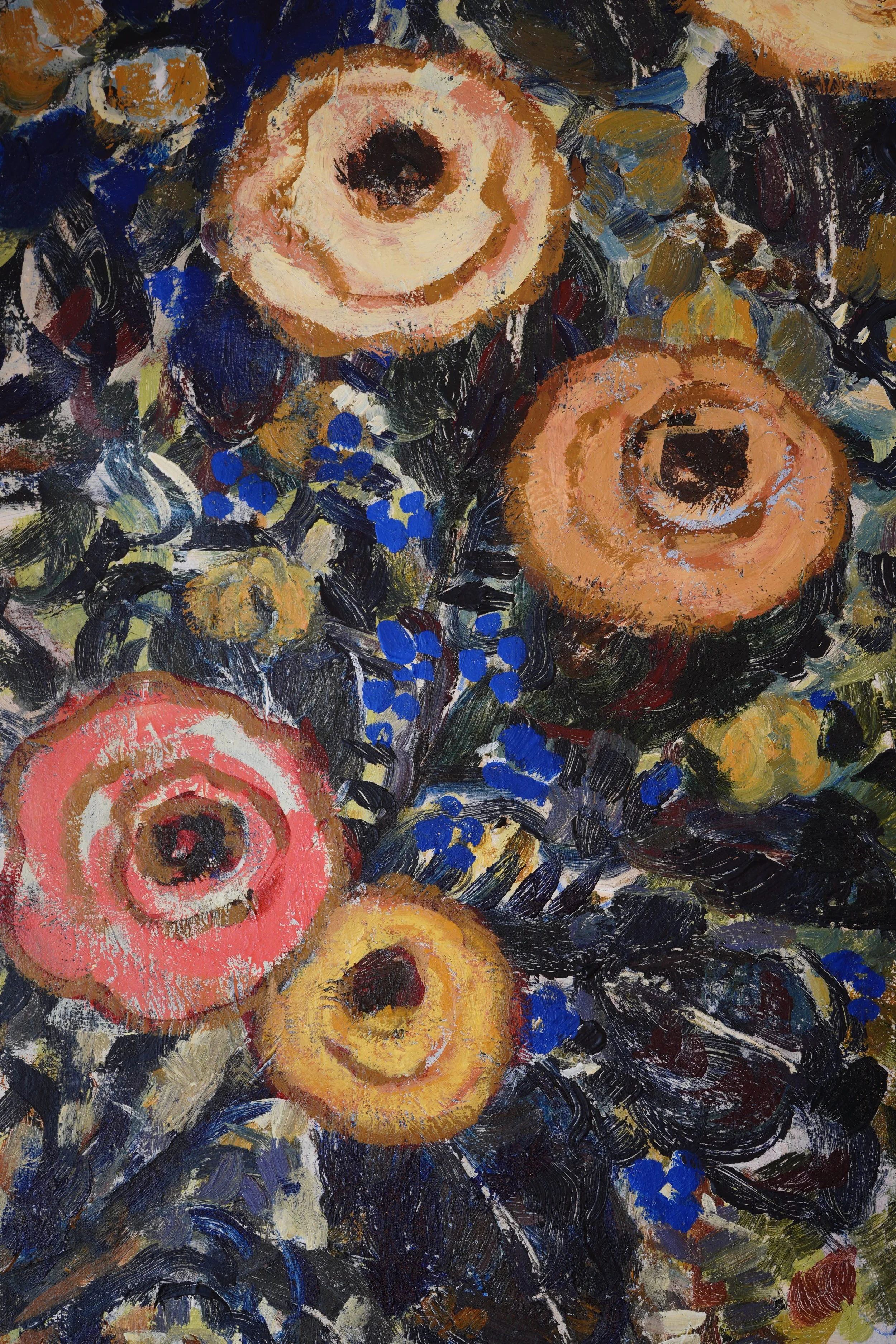
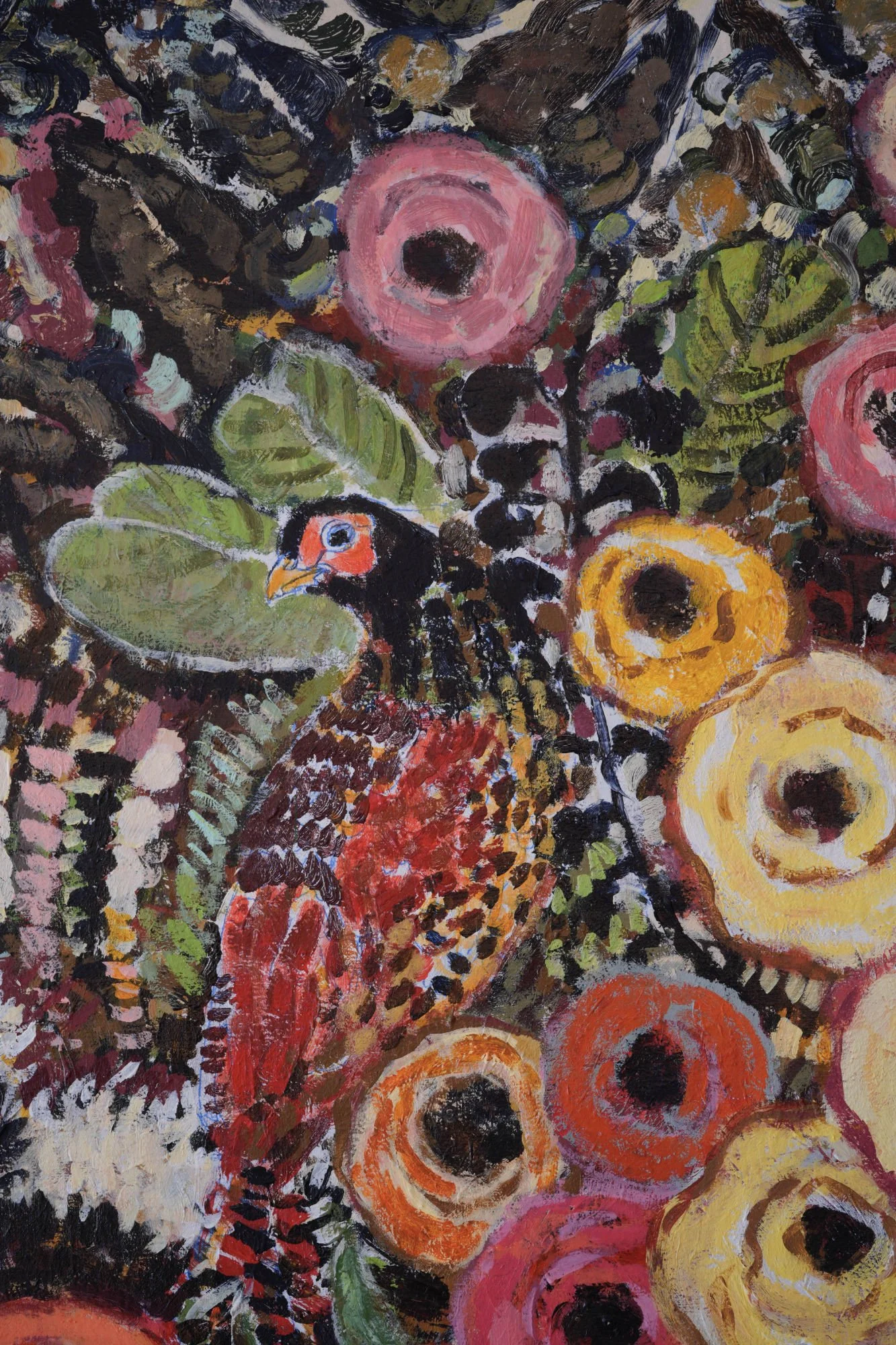
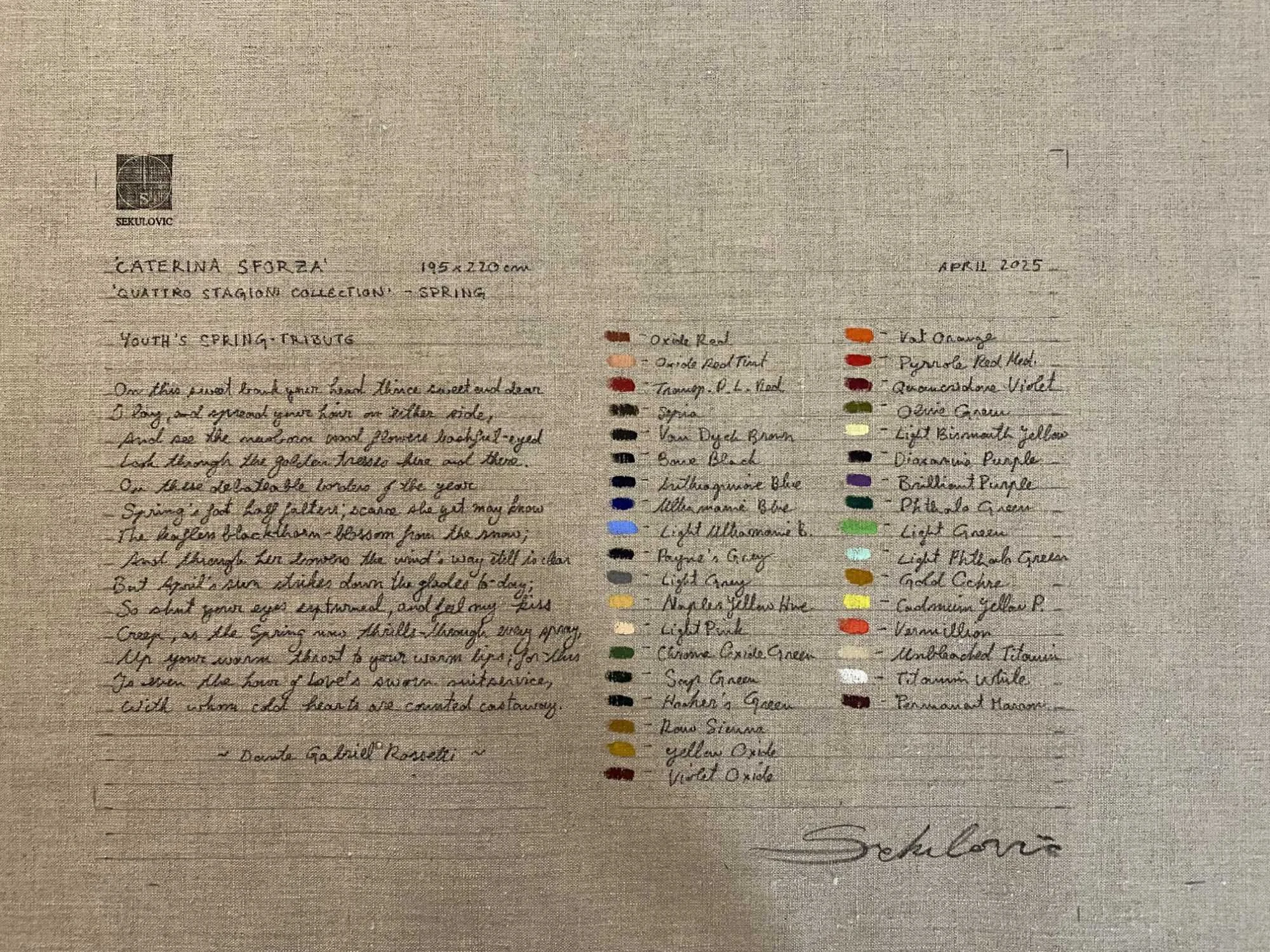
“Italian noblewoman, the Countess of Forlì and Lady of Imola (1463 – 1509)
Back of Painting:
Sonnet XIV: Youth’s Spring-Tribute
On this sweet bank your head thrice sweet and dear
I lay, and spread your hair on either side,
And see the newborn woodflowers bashful-eyed
Look through the golden tresses here and there.
On these debateable borders of the year
Spring’s foot half falters; scarce she yet may know
The leafless blackthorn-blossom from the snow;
And through her bowers the wind’s way still is clear.
But April’s sun strikes down the glades to-day;
So shut your eyes upturned, and feel my kiss
Creep, as the Spring now thrills through every spray,
Up your warm throat to your warm lips: for this
Is even the hour of Love’s sworn suitservice,
With whom cold hearts are counted castaway.”
SUMMER
CARLOTA FERRARI - 195 x 220 cm
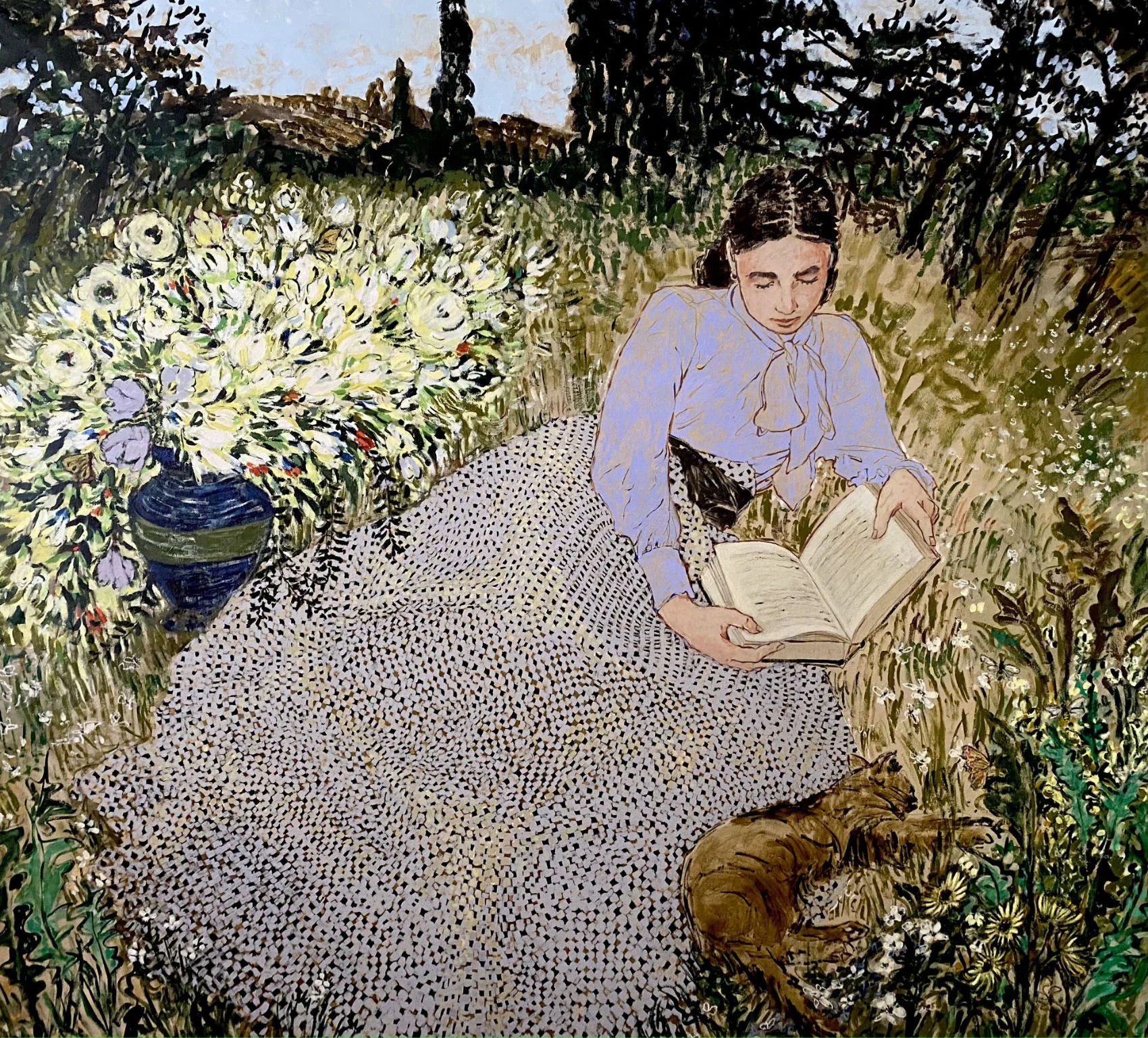
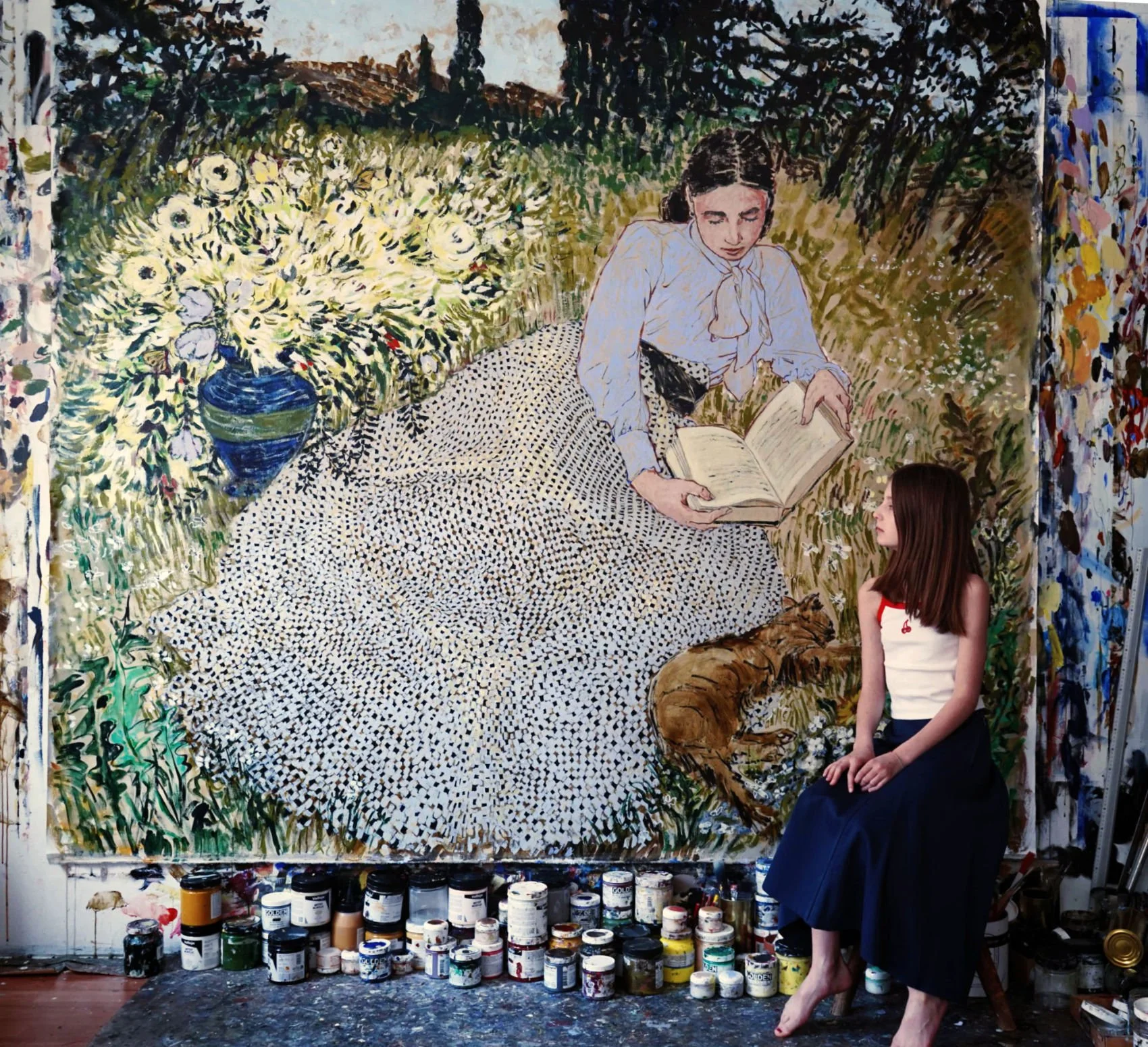
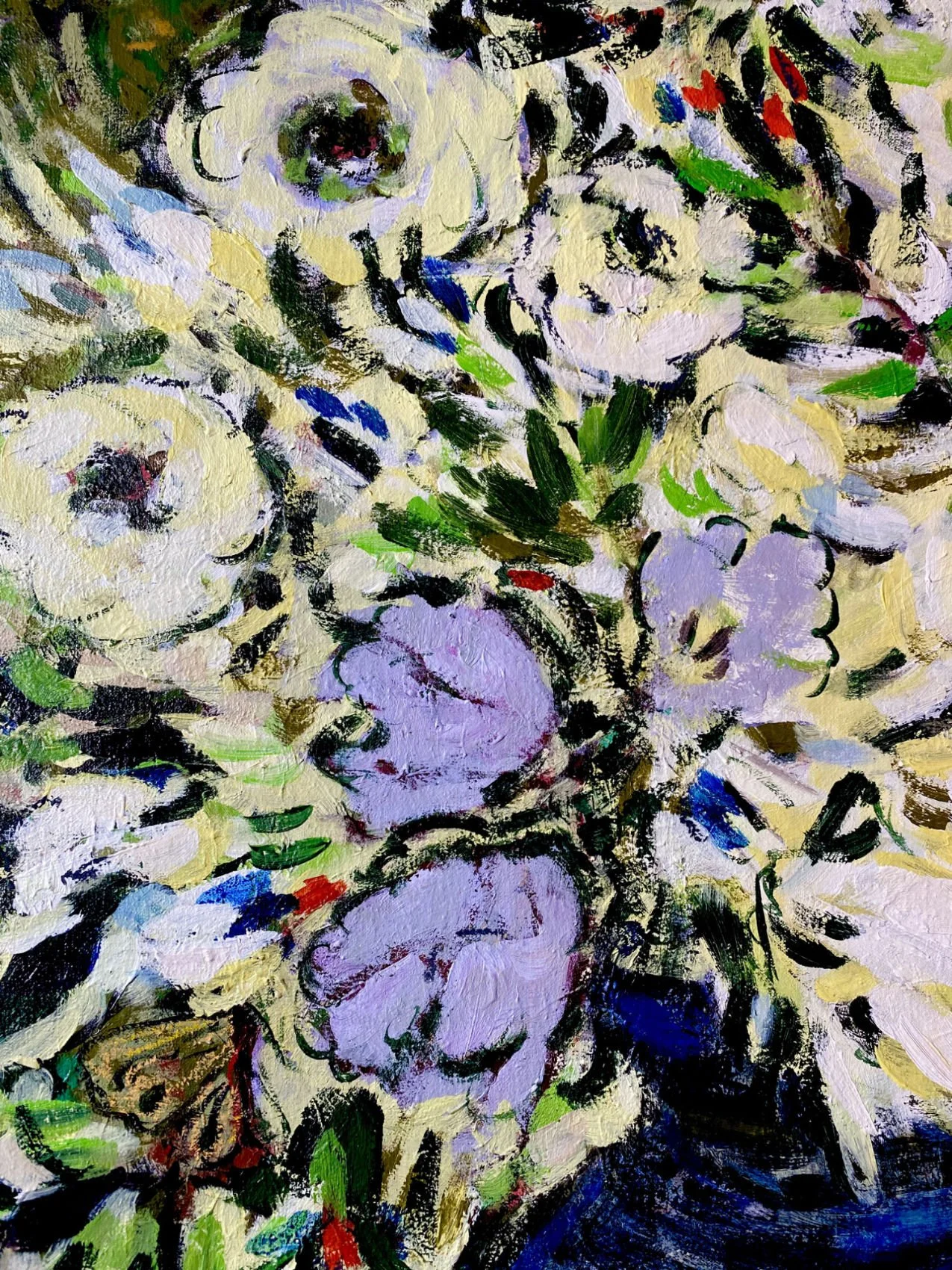
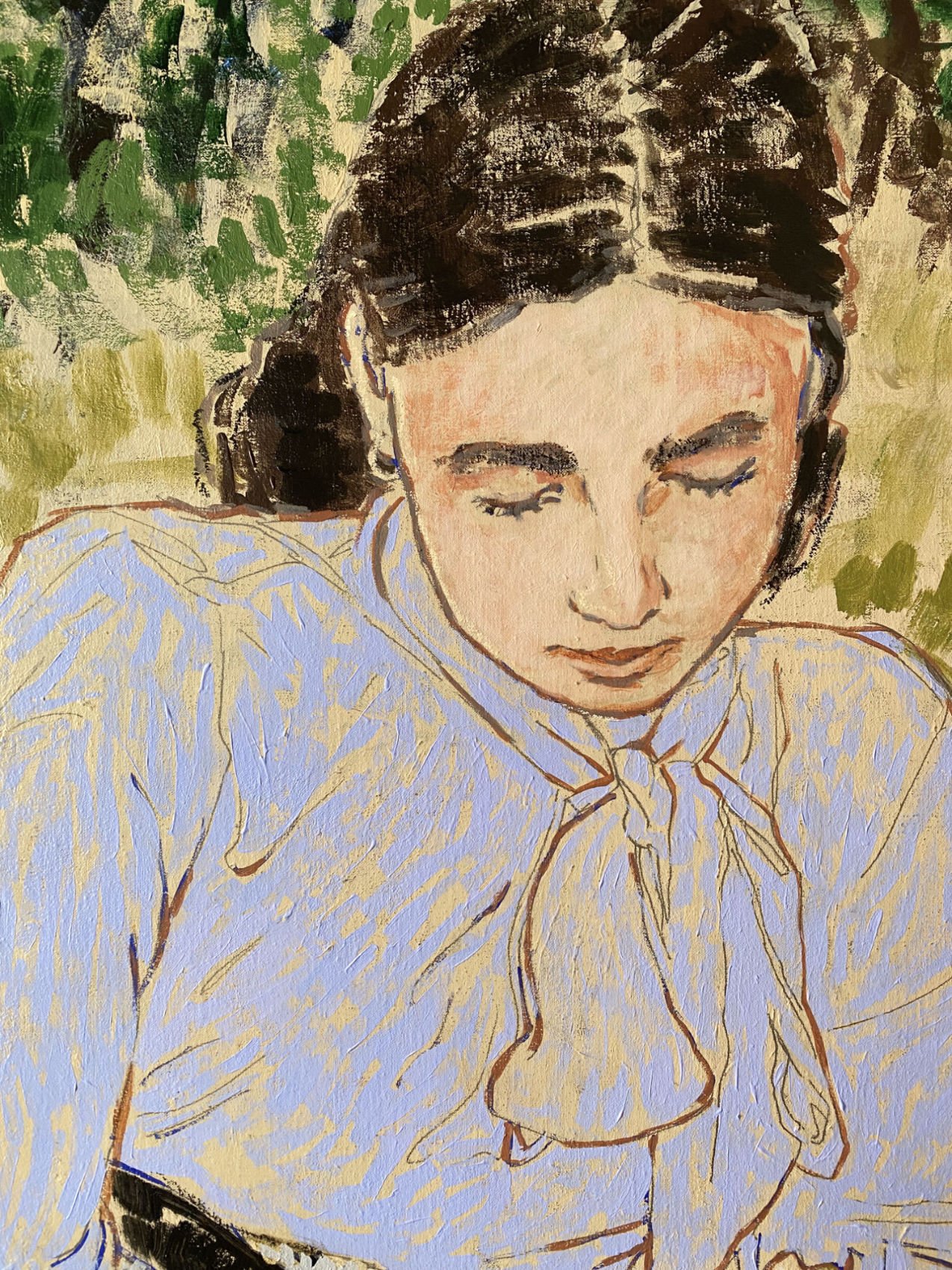
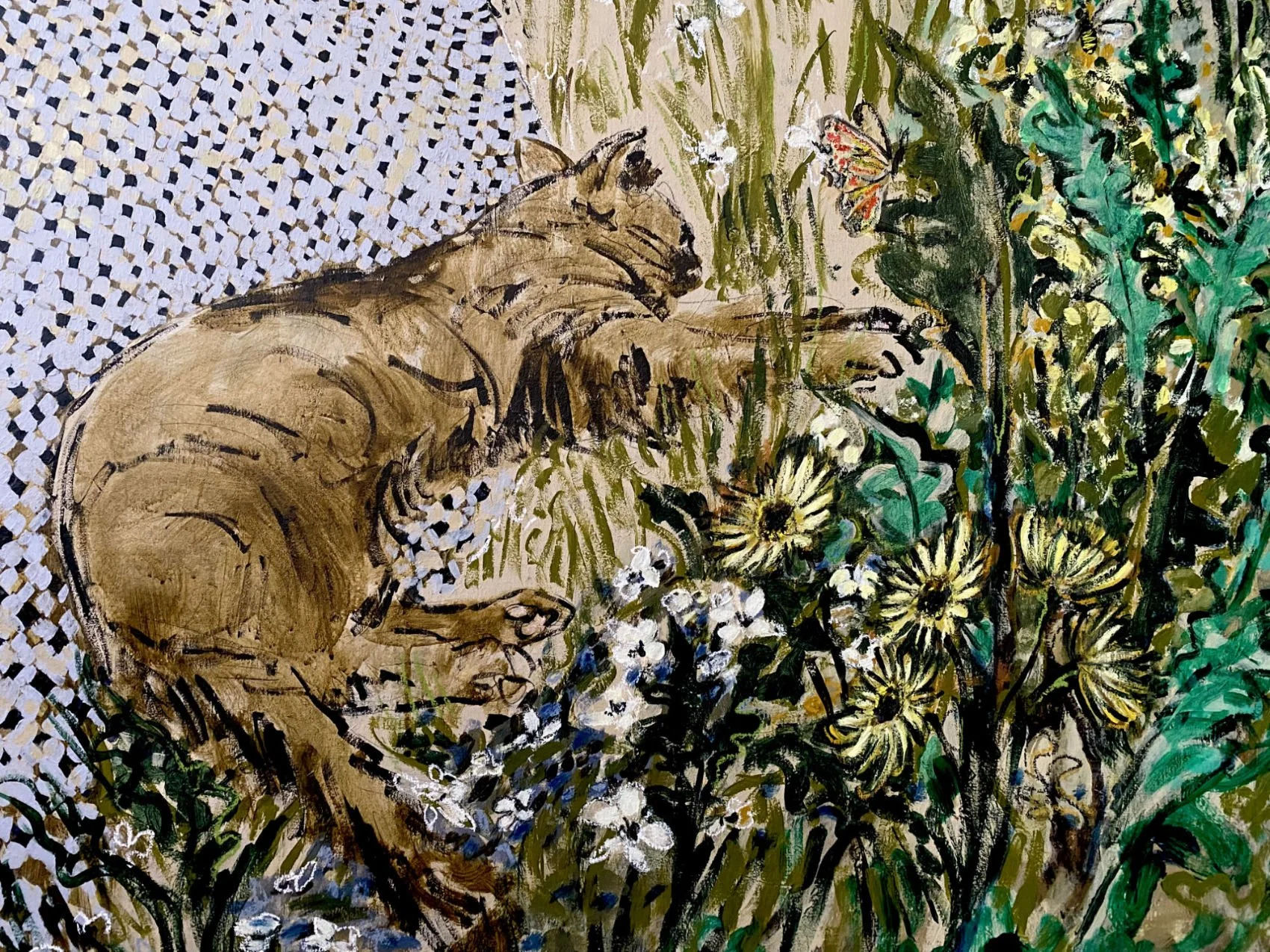
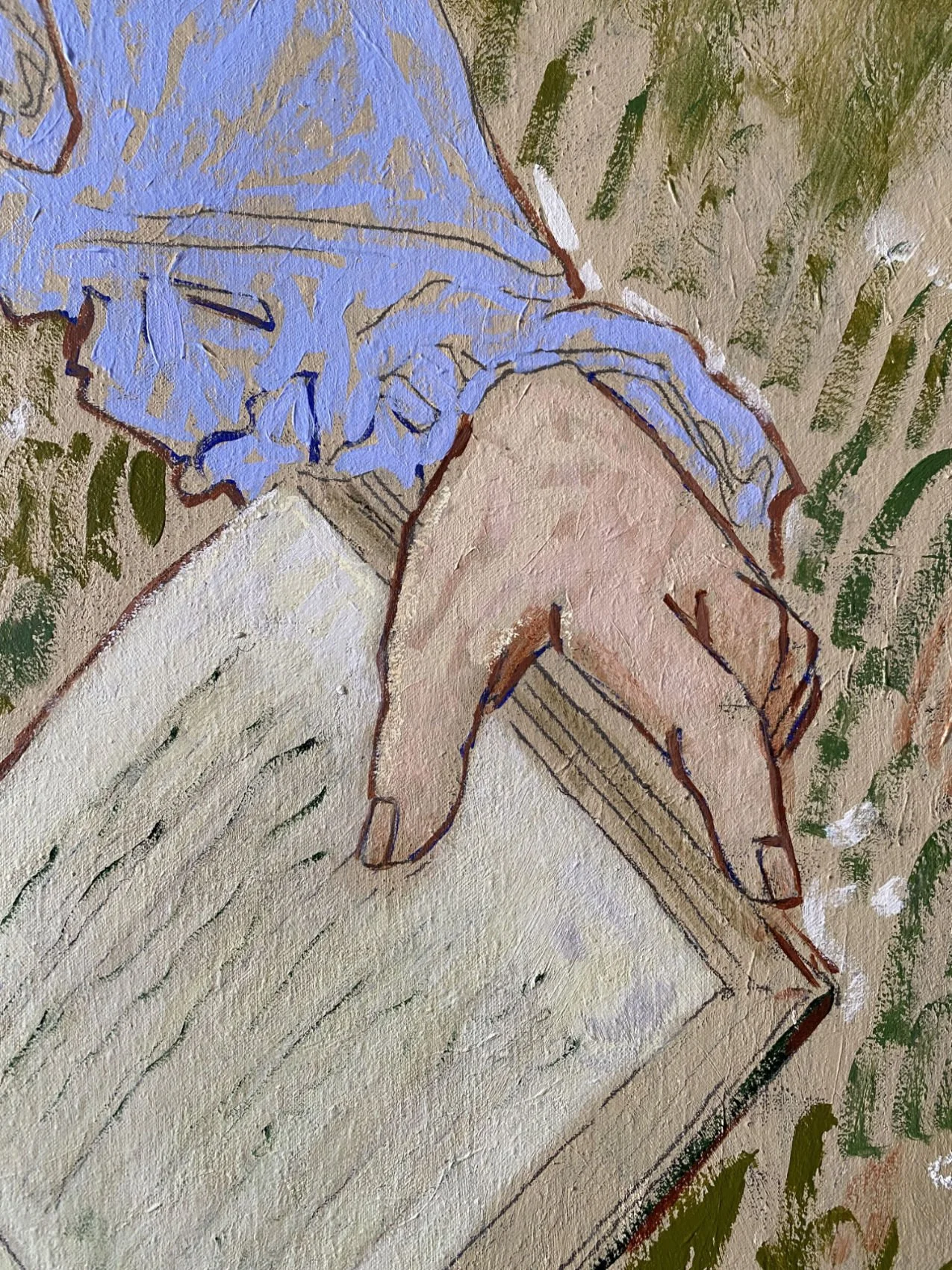
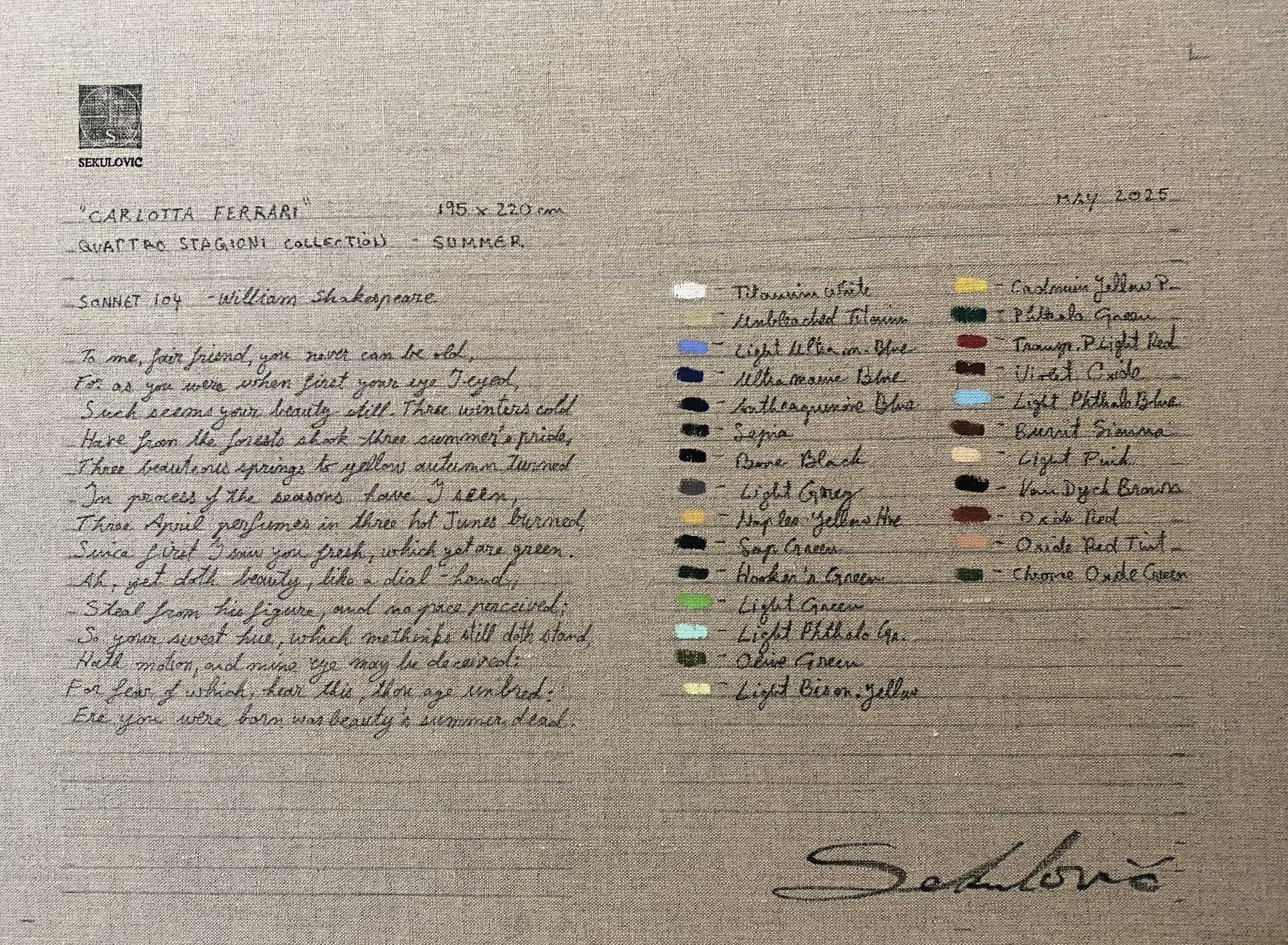
“Carlotta Ferrari ( 1831 – 1907) was an Italian composer, poet, pianist and singer, noted for opera.
Back of Painting:
To me, fair friend, you never can be old,
For as you were when first your eye I eyed,
Such seems your beauty still. Three winters cold
Have from the forests shook three summers’ pride,
Three beauteous springs to yellow autumn turned
In process of the seasons have I seen,
Three April perfumes in three hot Junes burned,
Since first I saw you fresh, which yet are green.
Ah, yet doth beauty, like a dial-hand,
Steal from his figure, and no pace perceived;
So your sweet hue, which methinks still doth stand,
Hath motion, and mine eye may be deceived:
For fear of which, hear this, thou age unbred:
Ere you were born was beauty’s summer dead.”
AUTUMN
ARTEMISIA GENTILESCHI - 195 x 220 cm
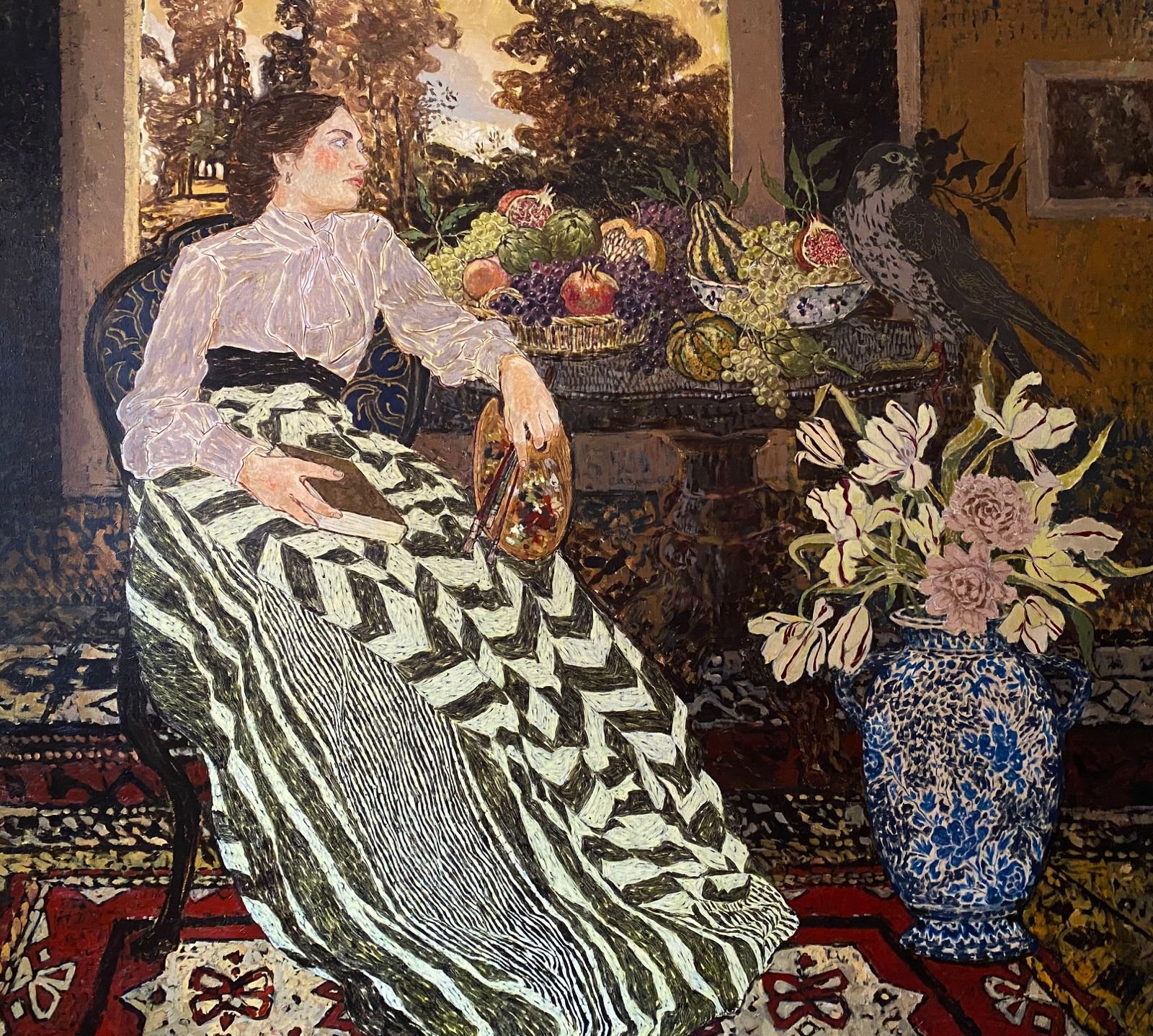
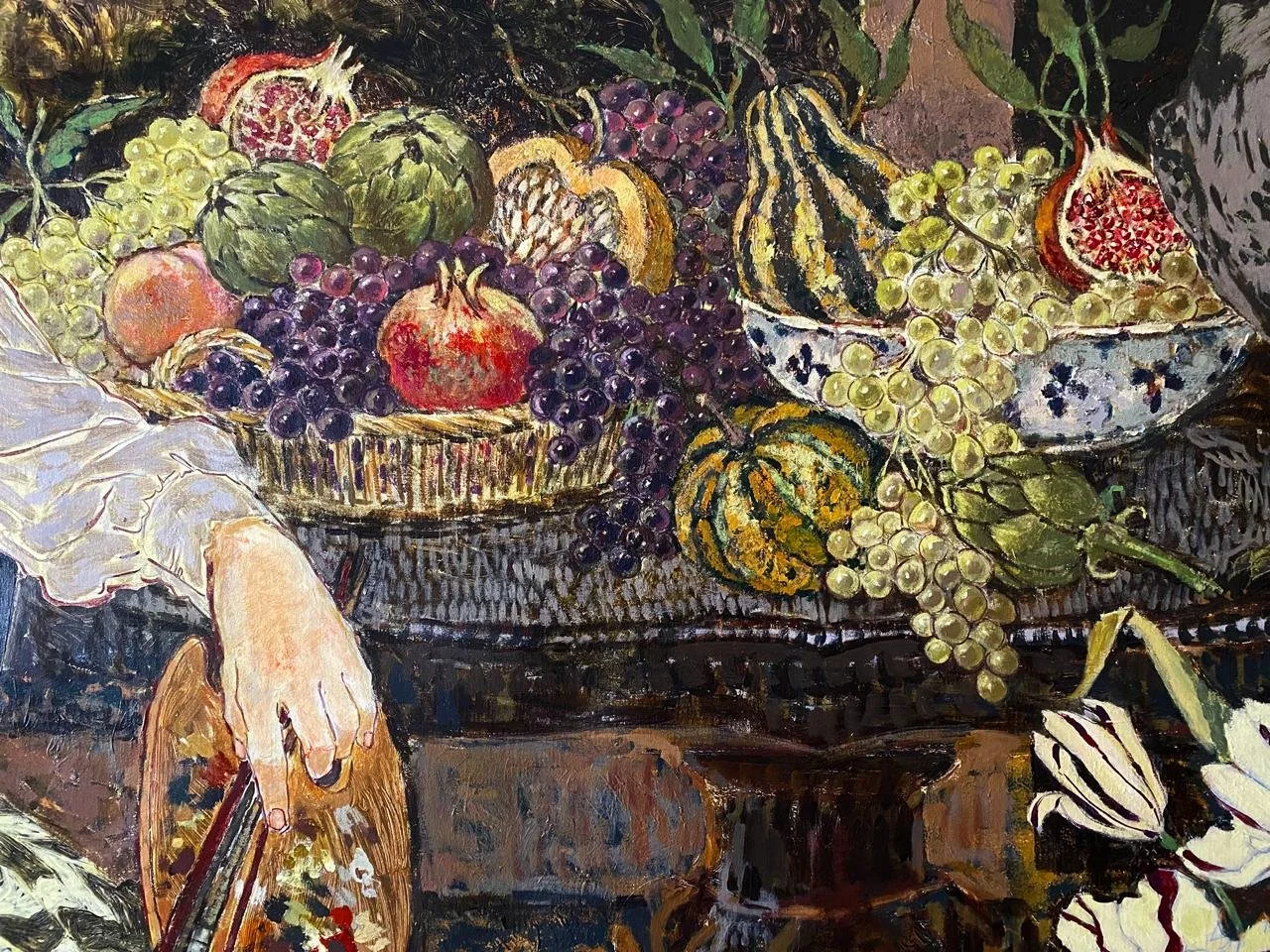
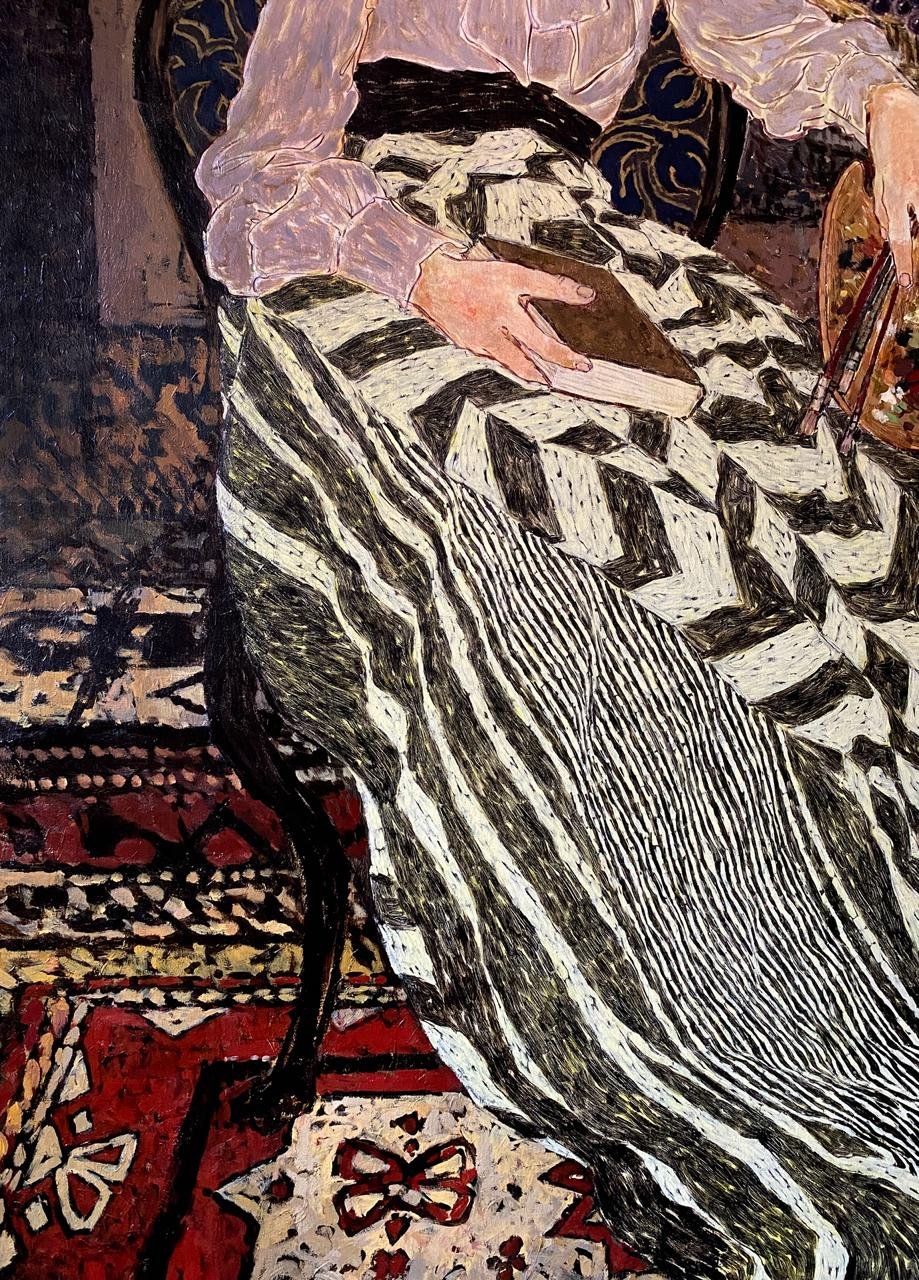
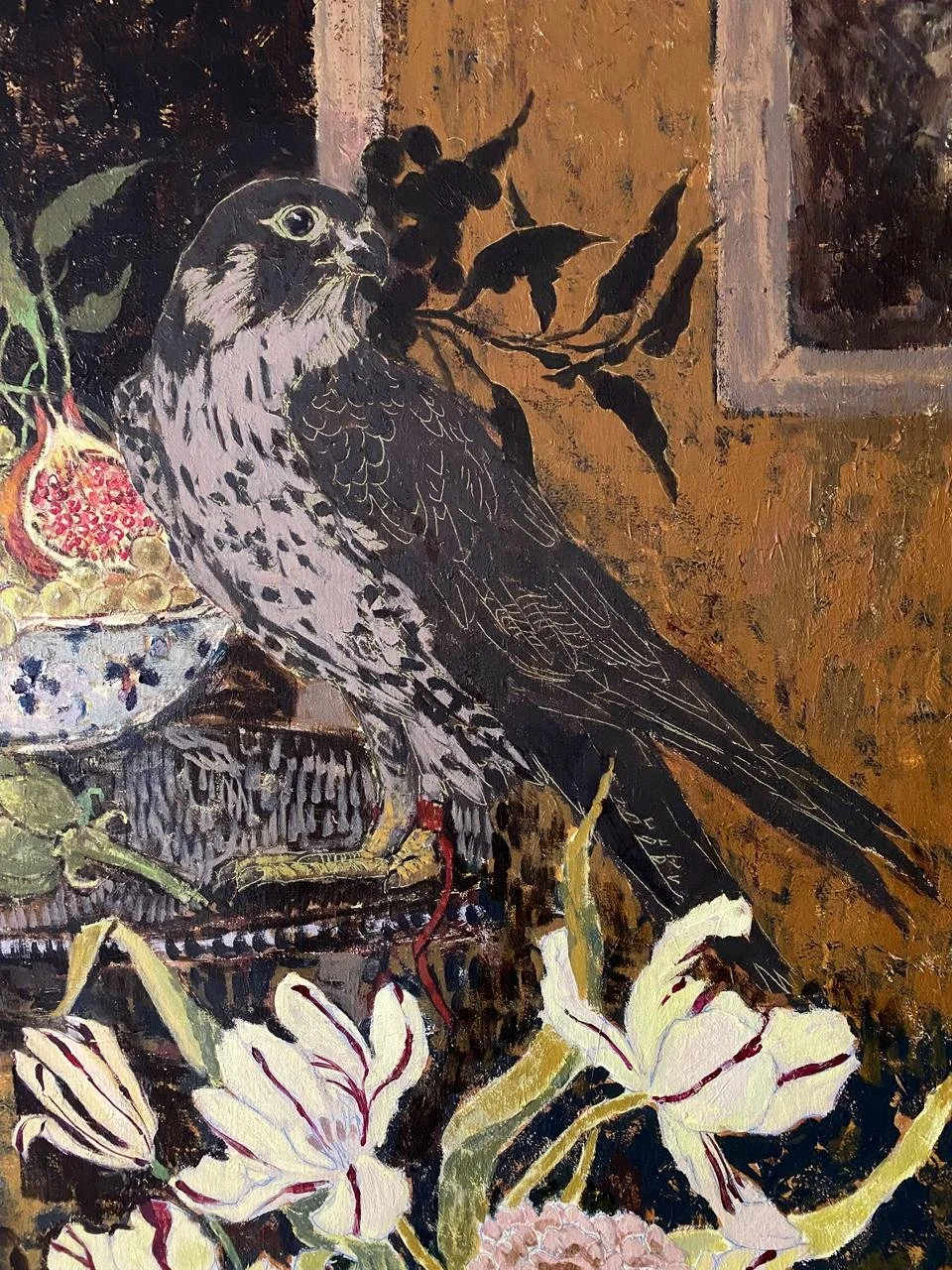
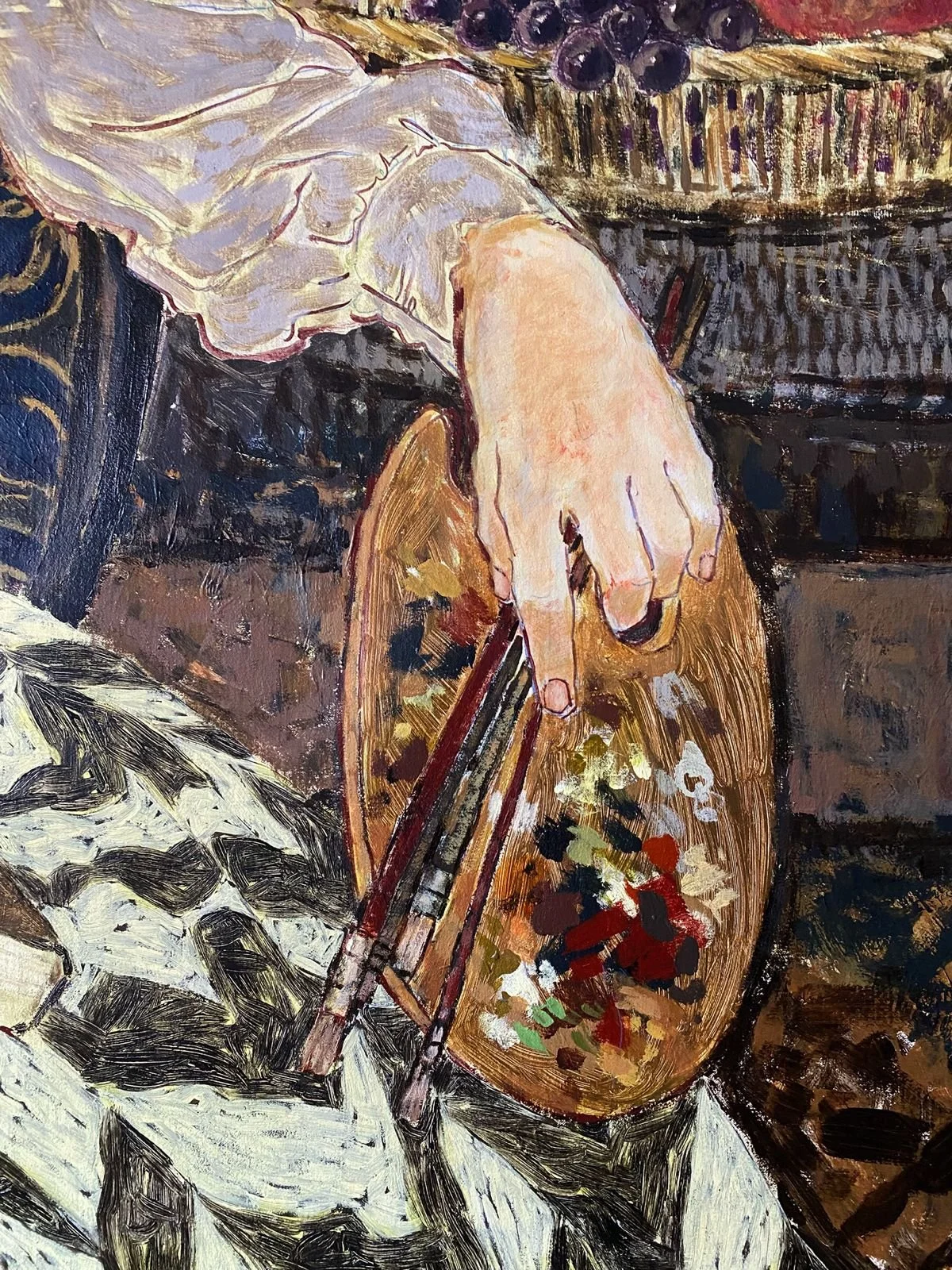
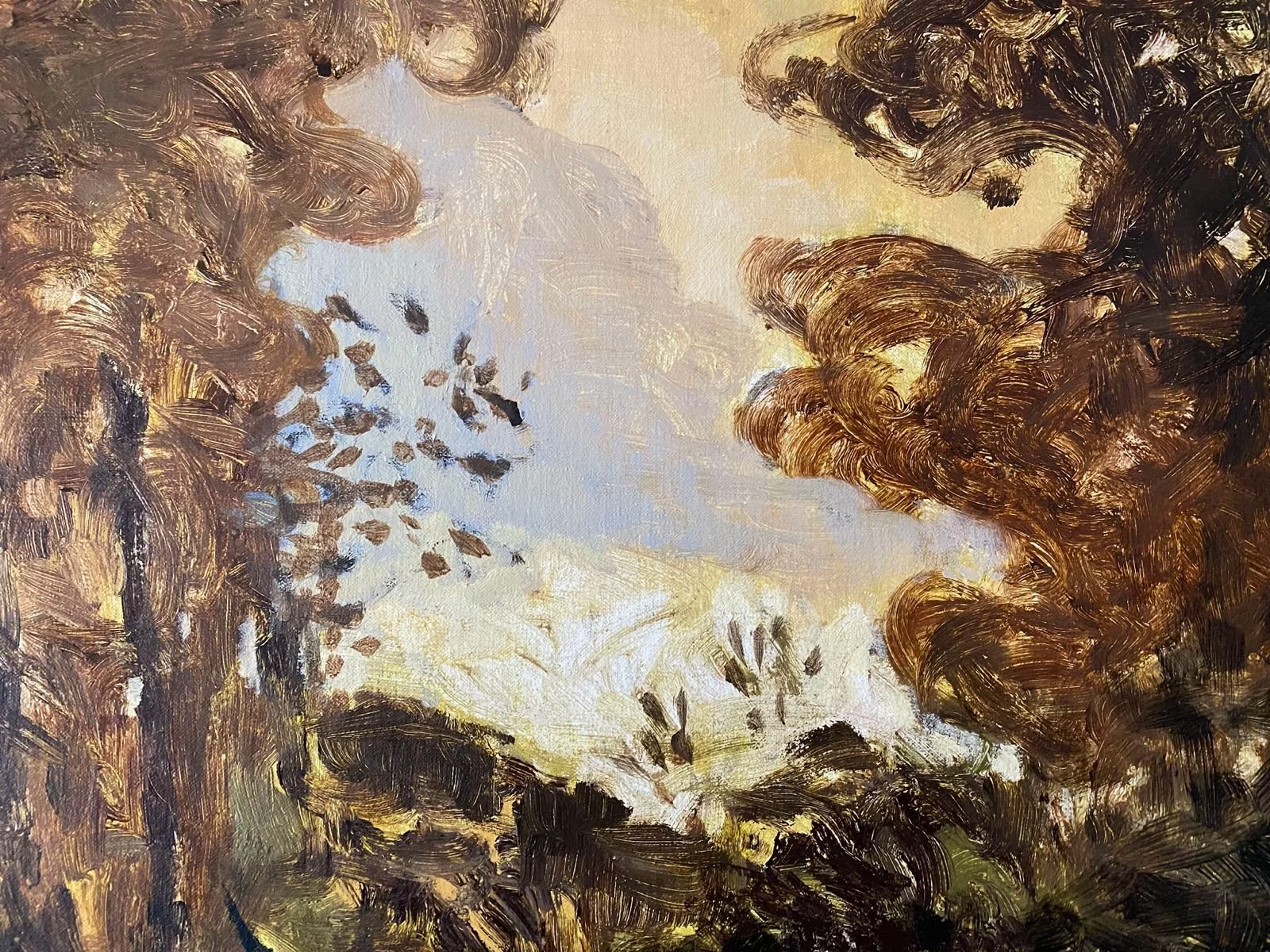
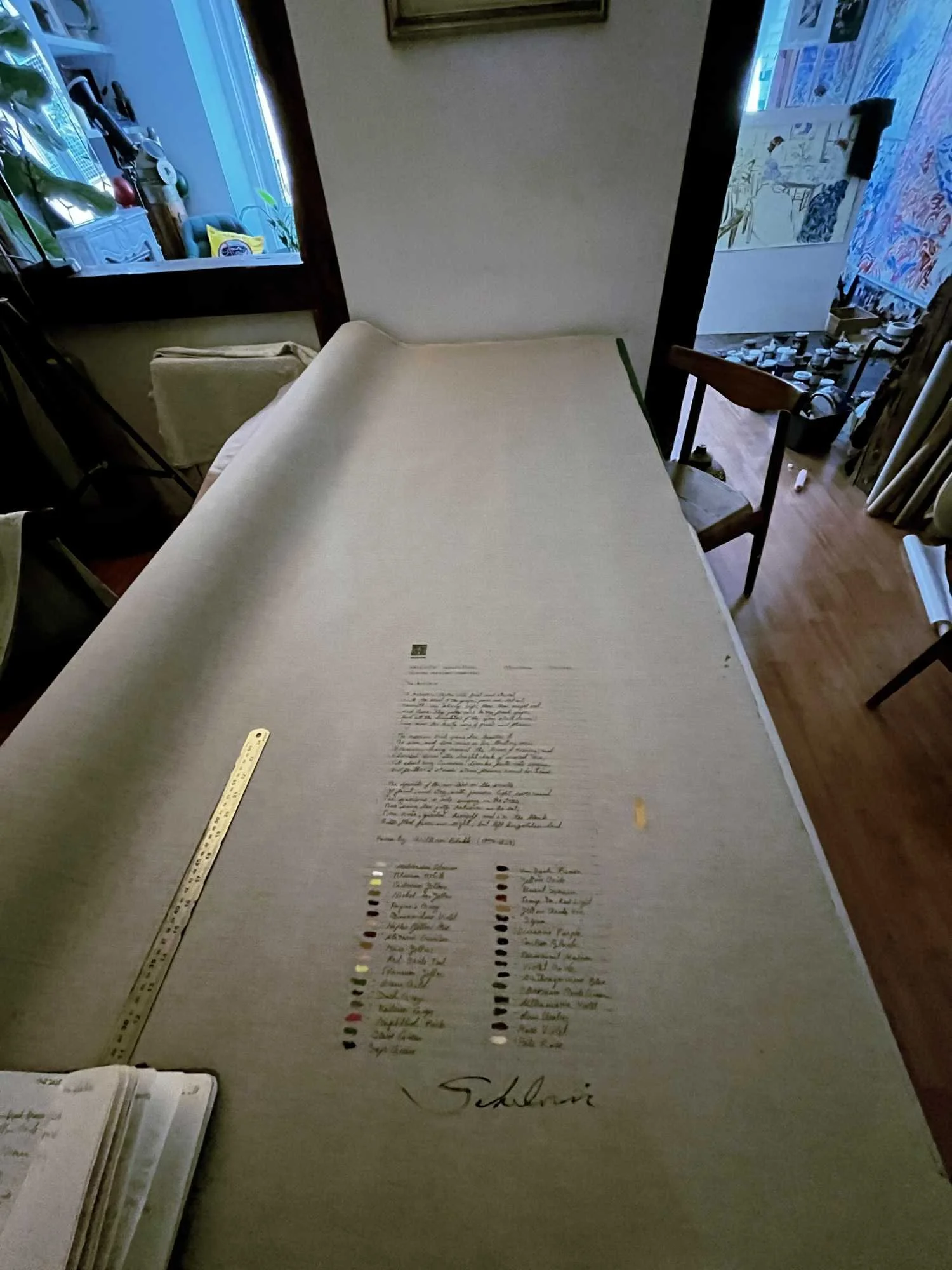
“Artemisia Lomi Gentileschi (1593 –1654) was an Italian Baroque painter, considered among the most accomplished 17th-centuryartists, initially working in the style of Caravaggio.
Back of Painting:
To Autumn
O Autumn, laden with fruit, and stained
With the blood of the grape, pass not, but sit
Beneath my shady roof; there thou mayst rest,
And tune thy jolly voice to my fresh pipe,
And all the daughters of the year shall dance!
Sing now the lusty song of fruits and flowers.
”The narrow bud opens her beauties to
The sun, and love runs in her thrilling veins;
Blossoms hang round the brows of Morning, and
Flourish down the bright cheek of modest Eve,
Till clust’ring Summer breaks forth into singing,
And feather’d clouds strew flowers round her head.
”The spirits of the air live on the smells
Of fruit; and Joy, with pinions light, roves round
The gardens, or sits singing in the trees.”
Thus sang the jolly Autumn as he sat;
Then rose, girded himself, and o’er the bleak
Hills fled from our sight; but left his golden load.”
WINTER
MARTINA GAETANA AGNESI - 195 x 220 cm
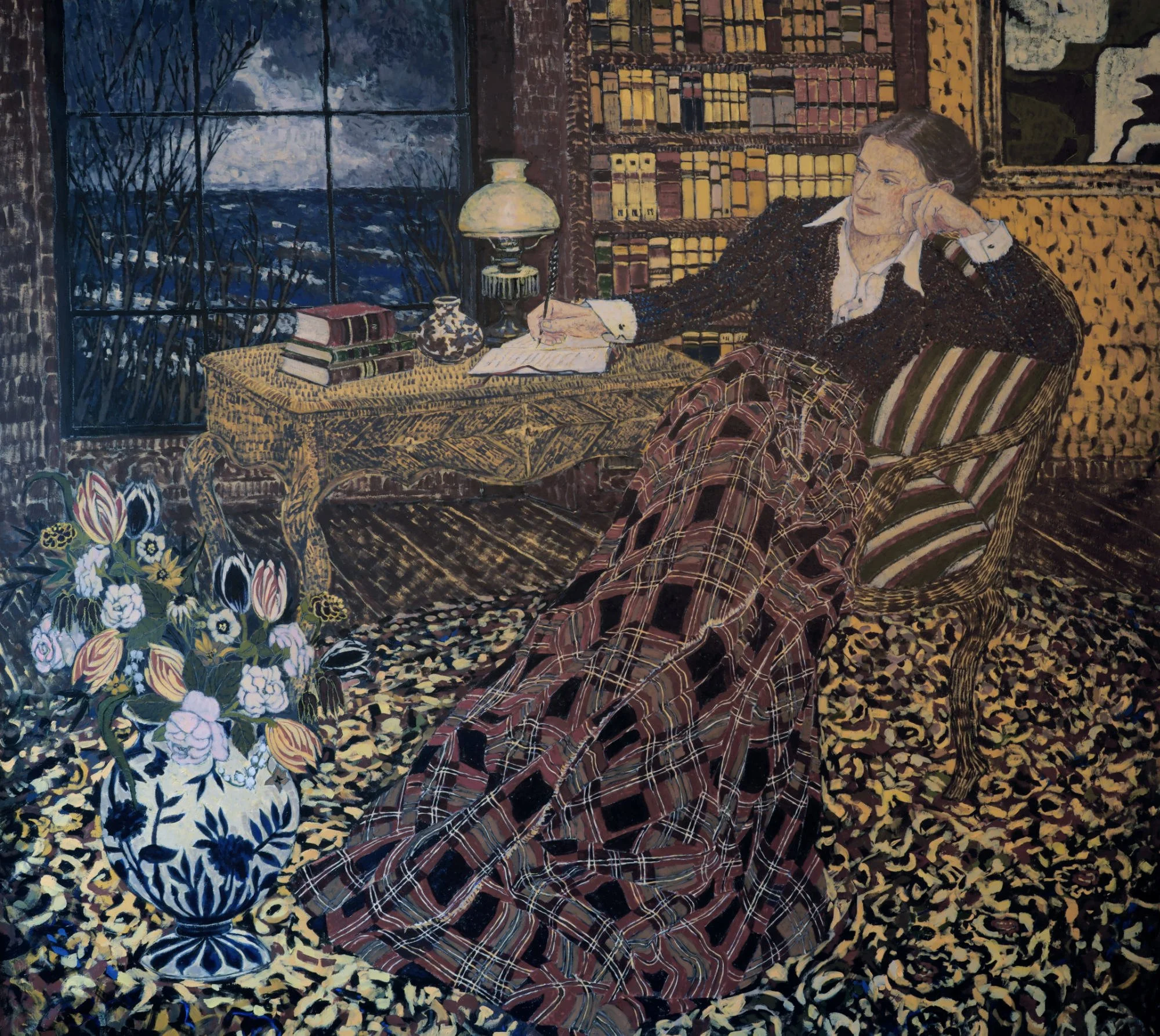
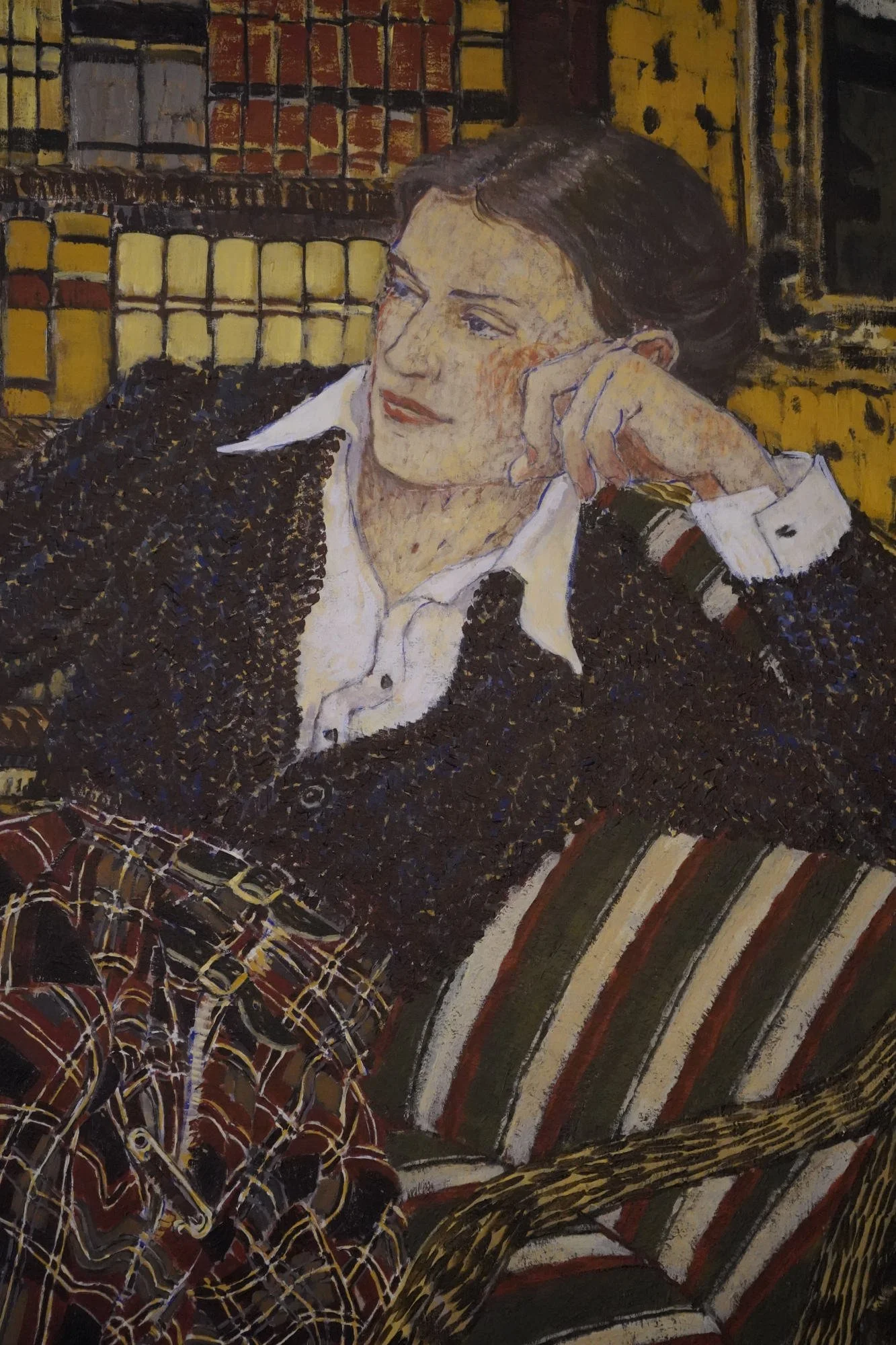
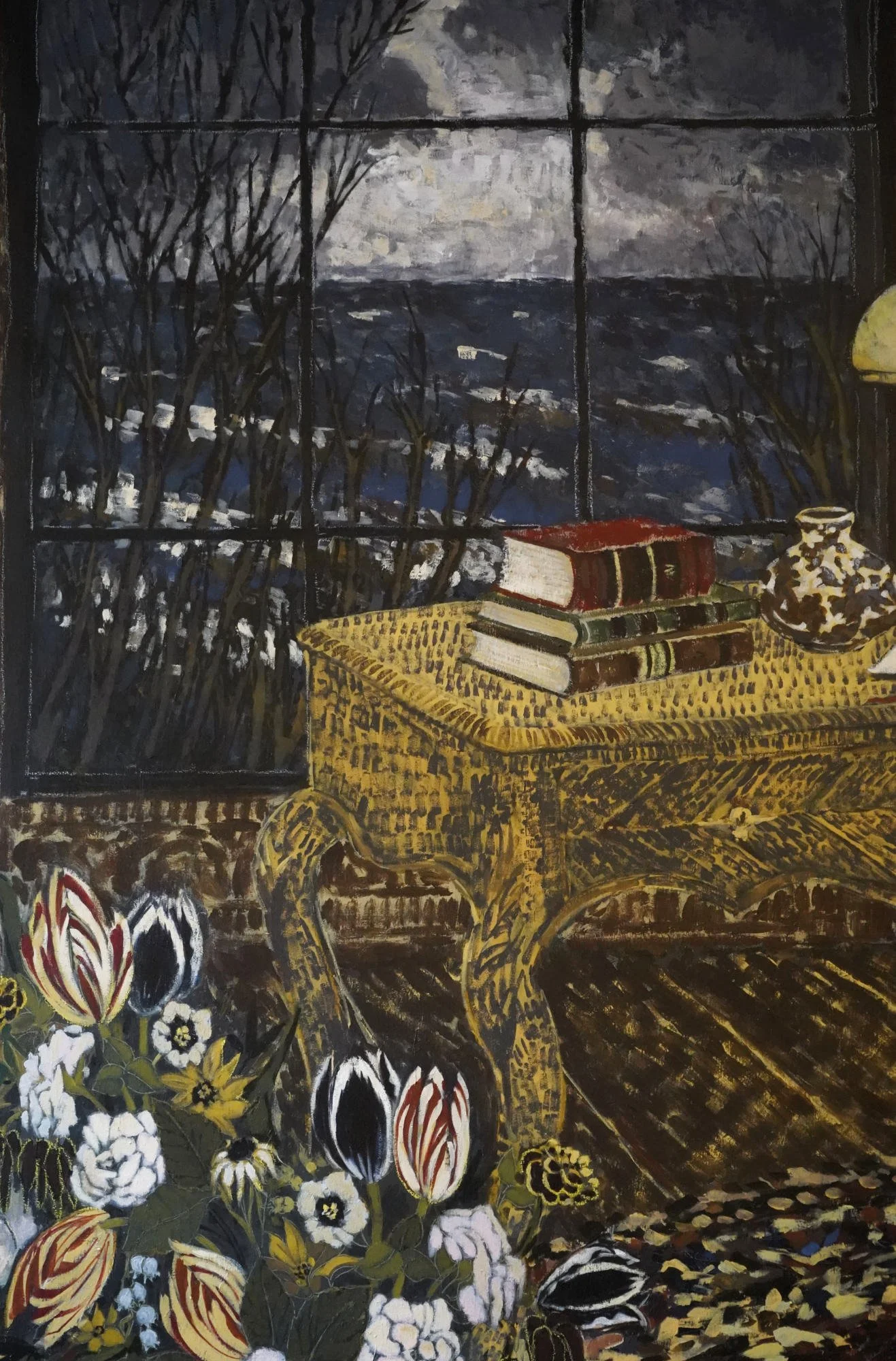
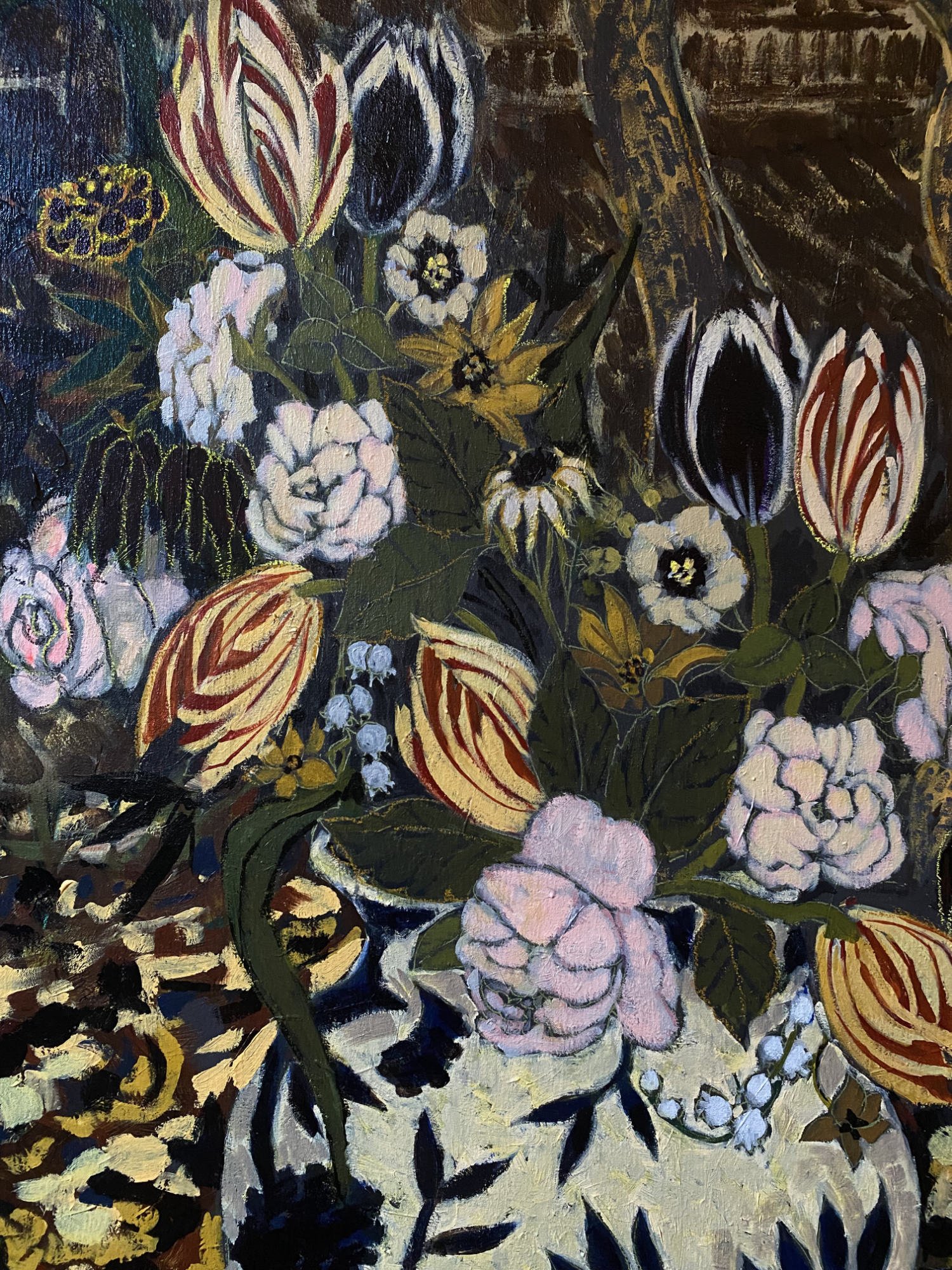
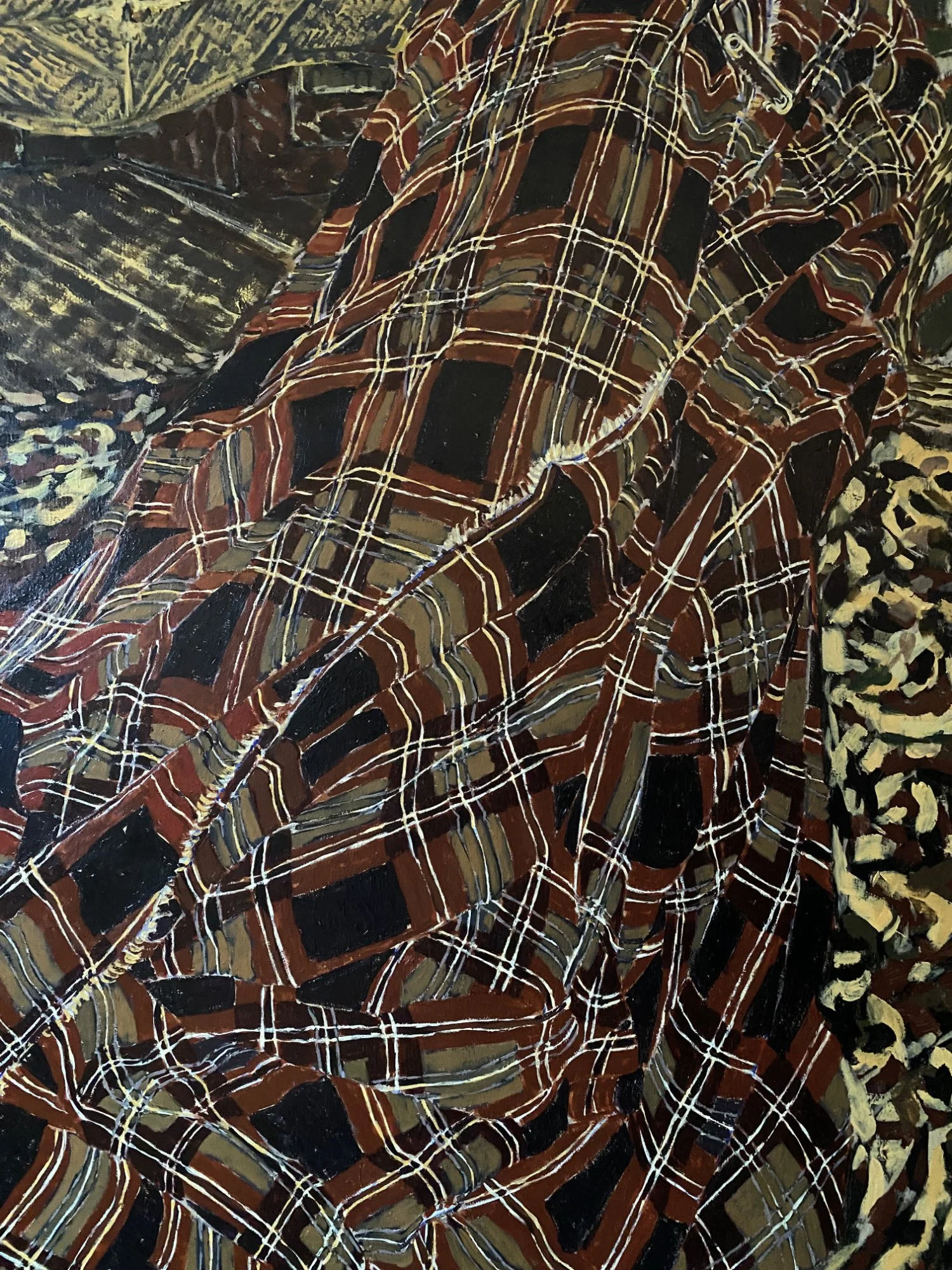
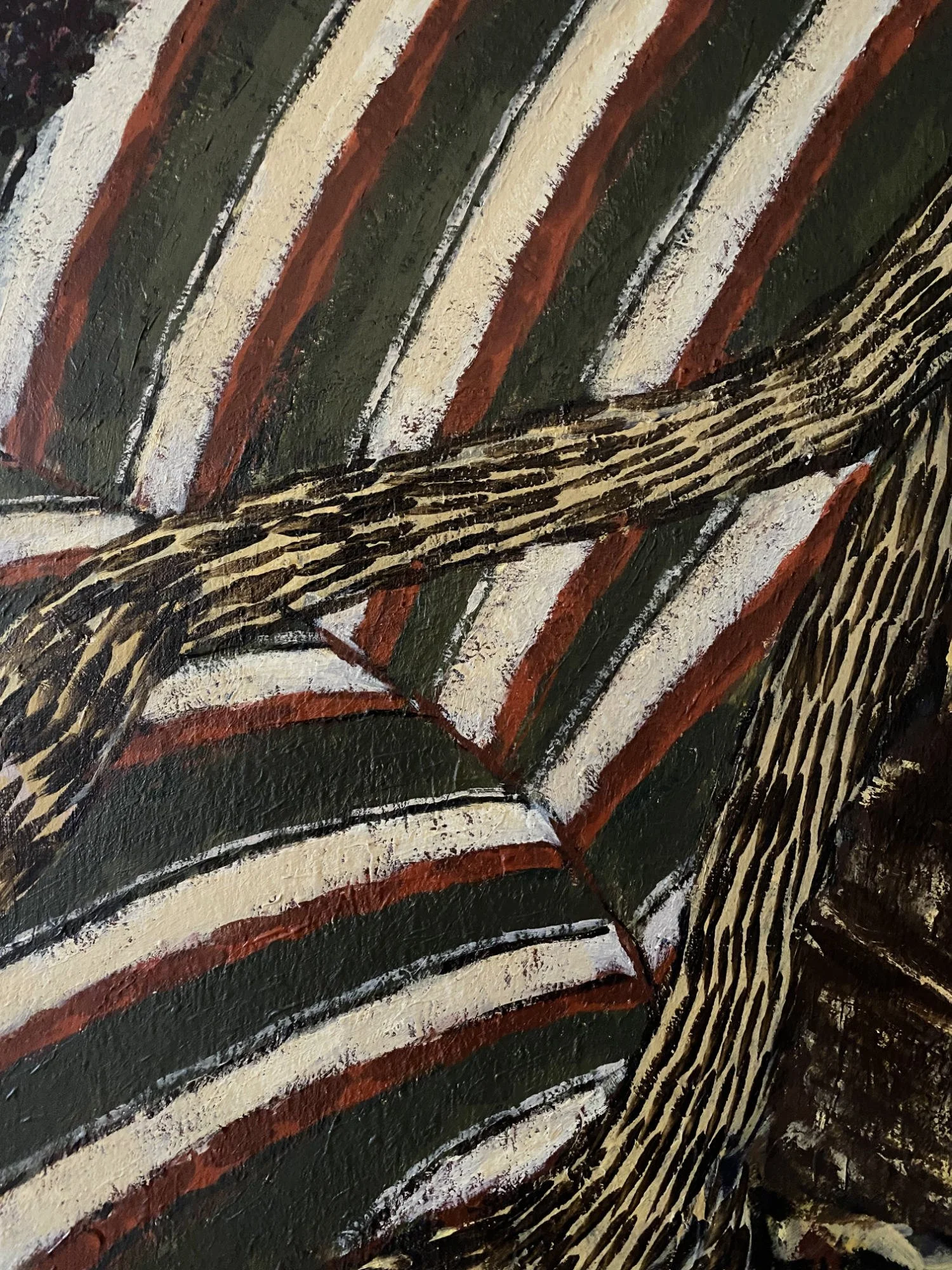
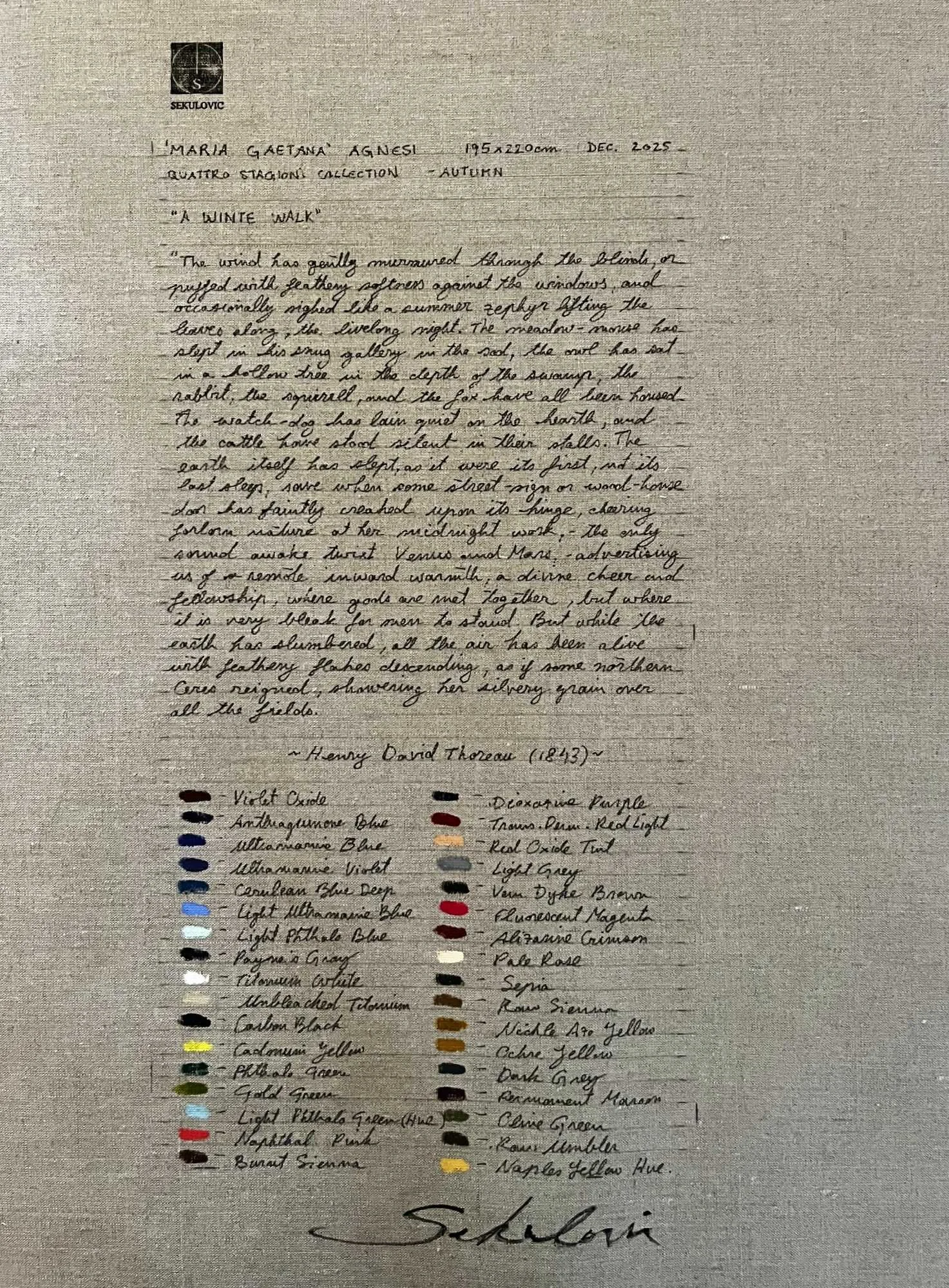
“Maria Gaetana Agnesi (1718 – 1799) was a Milanese mathematician, philosopher, theologian, and humanitarian.
Back of Painting:
“A Winter Walk”
The wind has gently murmured through the blinds, or puffed with feathery softness against the windows, and occasionally sighed like a summer zephyr lifting the leaves along, the livelong night. The meadow-mouse has slept in his snug gallery in the sod, the owl has sat in a hollow tree in the depth of the swamp, the rabbit, the squirrel, and the fox have all been housed. The watch-dog has lain quiet on the hearth, and the cattle have stood silent in their stalls. The earth itself has slept, as it were its first, not its last sleep, save when some street-sign or wood-house door has faintly creaked upon its hinge, cheering forlorn nature at her midnight work,—the only sound awake twixt Venus and Mars,—advertising us of a remote inward warmth, a divine cheer and fellowship, where gods are met together, but where it is very bleak for men to stand. But while the earth has slumbered, all the air has been alive with feathery flakes descending, as if some northern Ceres reigned, showering her silvery grain over all the fields.”
QUATTRO STAGIONI COLLECTION
The Symphony of the Seasons (Aug 2024 - May 2026)
The symphony of the seasons offers the intricate notes that shape our souls. Nature may be the conductor and we the instruments, yet when we allow her to play through us, our spirits flourish in infinite expression and one may perceive the quiet music of the heart.
The Beginning
This collection would not have come into this world without its patron.
It began when my friend Maria sent me a photo of herself standing in front of one of my William Morris Collection paintings. Her message read: 'Niko, we came to see my father's neighbor's apartment, across the hallway, to see if we could rent it out for a week while visiting my dad. And look what we found, your painting. Actually, two of them.'
There was a collector, unknown to me, gathering my work in silence. When I asked the gallery, they confirmed his existence but had never met him either. Not long after, they called to say this collector wished to commission four paintings, the four seasons. That is how I came to meet Emilio, over dinner in Madrid, and how this project began.
I felt ecstatic. It all felt rather grand, like something out of a Renaissance novel, a Lorenzo de Medici figure championing the artist. To support an artist goes beyond admiration. It is to share in their bravery, to believe that creation, like knowledge, requires patience, risk, and depth. In a world driven by haste and superficiality, we must turn towards what lasts, what nourishes the soul.
The ideas were cascading in my mind. We agreed I would have a year to complete the project, following the seasons as they unfolded, painting each work within its own breath.
As I got to know Emilio over that first dinner, we struck a common chord; we were both fascinated by music, classical and film alike. Henceforth, I thought of these paintings as emotion given form through sound, allowing music as well as nature to guide my unconscious heart to create something out of thin air, a perfume, an atmosphere. The language I use below will often allude to musical terms, which reflects the essence of these paintings to perfection.
Conversation with My Mind
When I think of the seasons, my emotions shift between melancholy and excitement. Nostalgia arises from memories of childhood, those vanished days of running barefoot on the beach, unburdened by thoughts of the future, plans, or commitments. Back then, joy was spontaneous, pure, and unrestrained. Youth was a wild symphony, boundless, directionless, for every direction was possible. That uncertainty was both beautiful and terrifying. The seasons of those years passed thick and magical, unconcerned with results or achievements.
Although the seasons mark the passing of time, they also bring comfort. They return faithfully, year after year, reminding us that while youth transforms into maturity, the rhythm of nature endures, forever blossoming. The sun still rises, the moon still glows, and the cycles of life continue their eternal dance. Human traditions, festivals, rituals, and celebrations are our way of harmonizing with this rhythm, of turning existence itself into art. For we must strive to make our very life a work of art, and to achieve that, we must live every day artfully, in tune with the eternal symphony of nature.
Art is invaluable to our lives. Through music, sculpture, paint, and literature, we translate the turning of the seasons into expressions of longing, love, and beauty. It is important to realize that art is not here merely to please us. It is meant to move us, to awaken what lies dormant within. Artists are not performers confined to our comfort, but seekers of our shared inner depths. They enter the unrest of existence so that we may come to recognize ourselves more fully, turning shadow into light, vulnerability into form, and silence into expression.
With every turning season comes comfort and renewal, the rustling of summer leaves into autumn's reds, the crisp hush of winter's dark potential, and the sudden, tender astonishment of spring, when blossoms return as if the world had forgotten it was ever possible. Each season is saturated with its own perfume. So when I began this project, I was grateful to be given the gift of a full year to complete the collection. This allowed me to create each painting within its own atmospheric charge, a rare luxury, allowing every work to be born under its rightful sun, with its own light and air.
SPRING have the courage to bloom
At the start, I had no fixed direction. I allowed each painting to emerge on its own, unplanned, much like a child whose nature cannot be predicted. The surprise of creation is part of its beauty. My intention was to start with Autumn, as it was November. However, I had to delay my first painting due to upcoming art fairs.
By the time I finally set off with “ The Quattro Stagioni”, it was the end of February. I recall staring at my first canvas, with the blueprint of Autumn still lingering in my mind. Weeks of frustration followed; the painting pulled towards its own horizon. Stubborn and resolute, it kept failing me. One morning, I relinquished and stopped to listen to the painting. 'Can you not see I am not Autumn?' she seemed to insist. ‘I am spring, open your eyes!’ And behold, true to her word, Caterina Sforza appeared. Many painters have captured her likeness through history, including Botticelli in his painting Primavera. A true personification of strength and leadership, this woman defied the boundaries of her time.
For me, Spring is always announced by the singing of the sparrows one fine morning. My heart skips a beat hearing them for the first time each year. They sound like church bells to my ears, echoes of the beginning of a new day. So when the swallows flew into the painting one late afternoon, I was hardly surprised. Then one night, I dreamt of a pheasant, wild, forgotten, noble, and hidden among the bursting flowers, making its home in this composition. Caterina Sforza's life was both heroic and tragic, and I hope the painting breathes her intense perfume, honoring her courage and grace.
SUMMER burn with passion
Then came summer, long, warm, almost too intense. It unfolded to the sound of classical music, to crickets and cicadas in the heat, to wind high above, carrying clouds that offer no shade, only clarity. Summer's muse became Carlotta Ferrari, a composer in a century when women rarely held such a role. Her music, specifically her setting of a Shakespeare sonnet, quietly entered the painting as if by its own will.
Summer has always been the season of my heart. It takes me back to Croatia, to my mother's home, where I spent every childhood summer. There, I become that child again, rising before dawn to watch the sun climb the mountains, or sitting by the shore as the sun sinks behind the dark hills. Summer holds the echo of youth, mornings filled with birdsong, afternoons surrendered to the drone of cicadas, nights alive with distant music.
And so, in this season of sound and heat, I painted a composer and musician, Carlotta Ferrari. For what greater mystery exists than the birth of a melody from a musician, a tune that moments before did not exist, now filling the air with meaning? It raises the eternal question: where was this music before it was heard?
I imagined Carlotta sitting in a field, the hot air of Tuscany embracing her, gazing intently at notes or text, a cat resting beside her in the heavy warmth. I wanted the painting to radiate that vibrant intensity of a summer's day, when the sun does not simply shine, it enters your soul.
AUTUMN find beauty in decline
After summer's brilliance, autumn arrived like a gentle sigh. I deliberately waited for the weather to cool, no easy feat in Madrid, where warmth persists long into the year. Eventually, the air shifted, the leaves surrendered their green, and the world softened into ochres and golds. The air grew heavy with the scent of damp earth and buried memory. I have always been in love with autumn's quiet intensity and warm melancholy, those sunsets where clouds try in vain to conceal the piercing golden light. To me, autumn confirms that beauty is not comfort, but fragility. It does not signal darkness, but transfiguration.
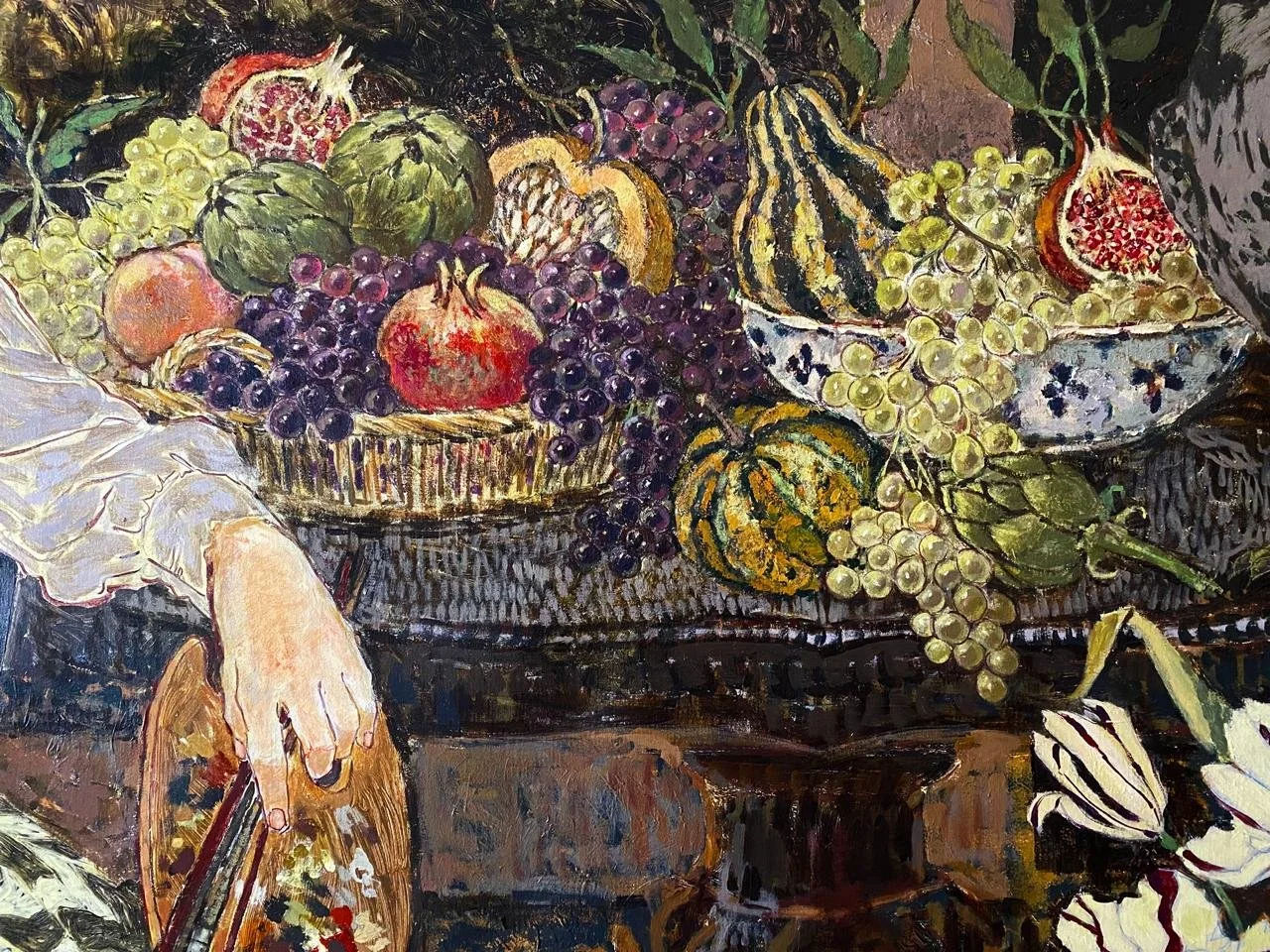
This painting required a force equal to its depth, and Artemisia Gentileschi was perfect. To create a portrait in homage to her life and work felt right. Her turbulent journey and her triumph against immense opposition made her the perfect embodiment of this season.
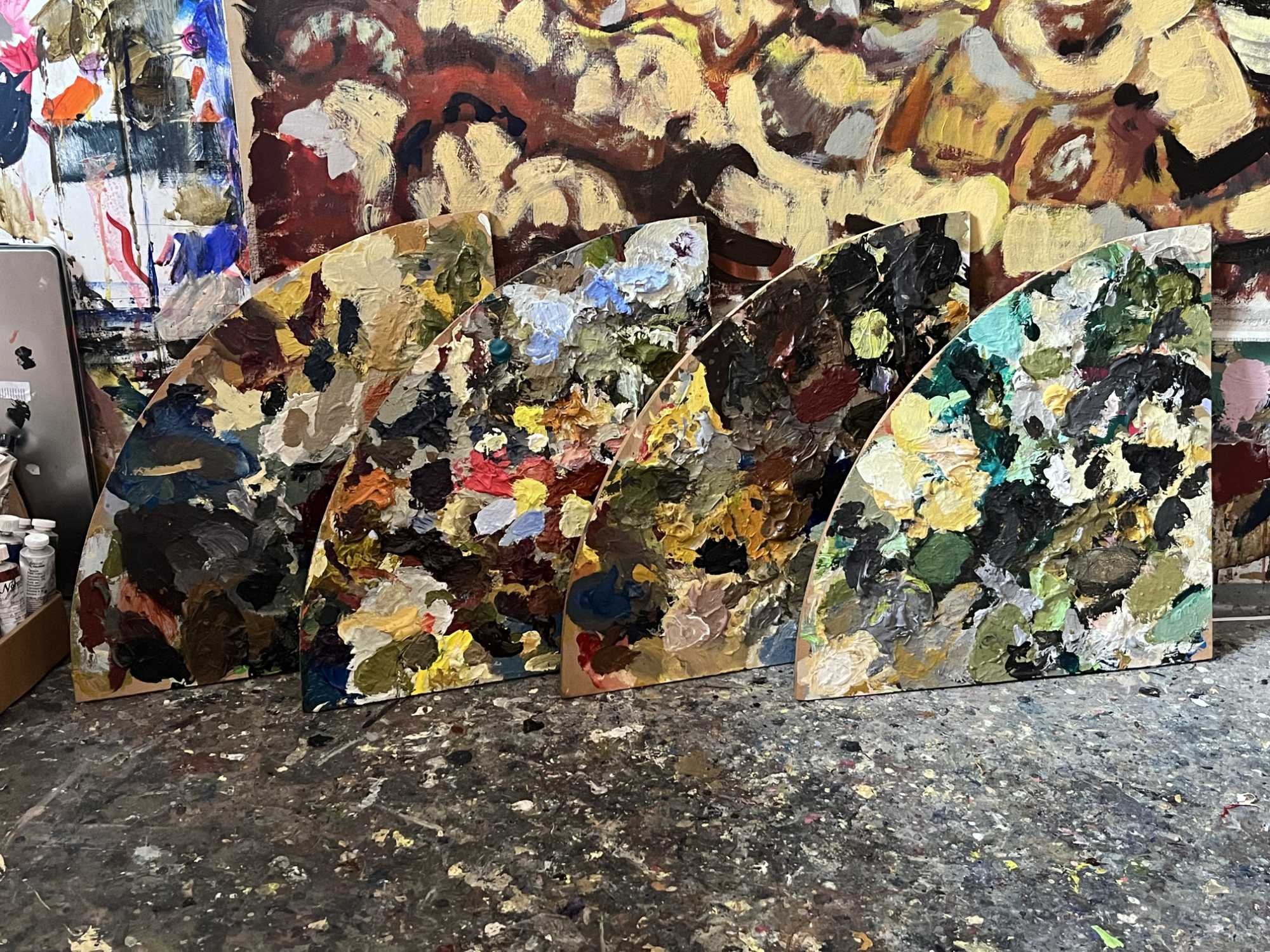
As I painted, reminiscence seeped into my palette, burnt siennas of Verona, deep Venetian ochres, muted crimsons that stain the leaves before they fall. Artemisia revealed herself as resolute, introspective, unyielding. A refined hawk appeared, a bird of prey, symbol of love, loyalty, and self-control. Fruits and vegetables, abundant and insistent, pressed themselves into the composition.
With her, I sought not only to capture autumn's colors, but its stillness, that suspended moment between abundance and absence. Autumn strips us bare, yet reshapes us. It teaches us to live gracefully within impermanence.
WINTER trust in silence
Autumn faded quickly, and winter arrived; a silent queen, unashamed, regal, announced by a sudden chill and the distant scent of snow falling somewhere beyond the mountains of Madrid. A profound peace descended as the days shortened and the air sharpened.
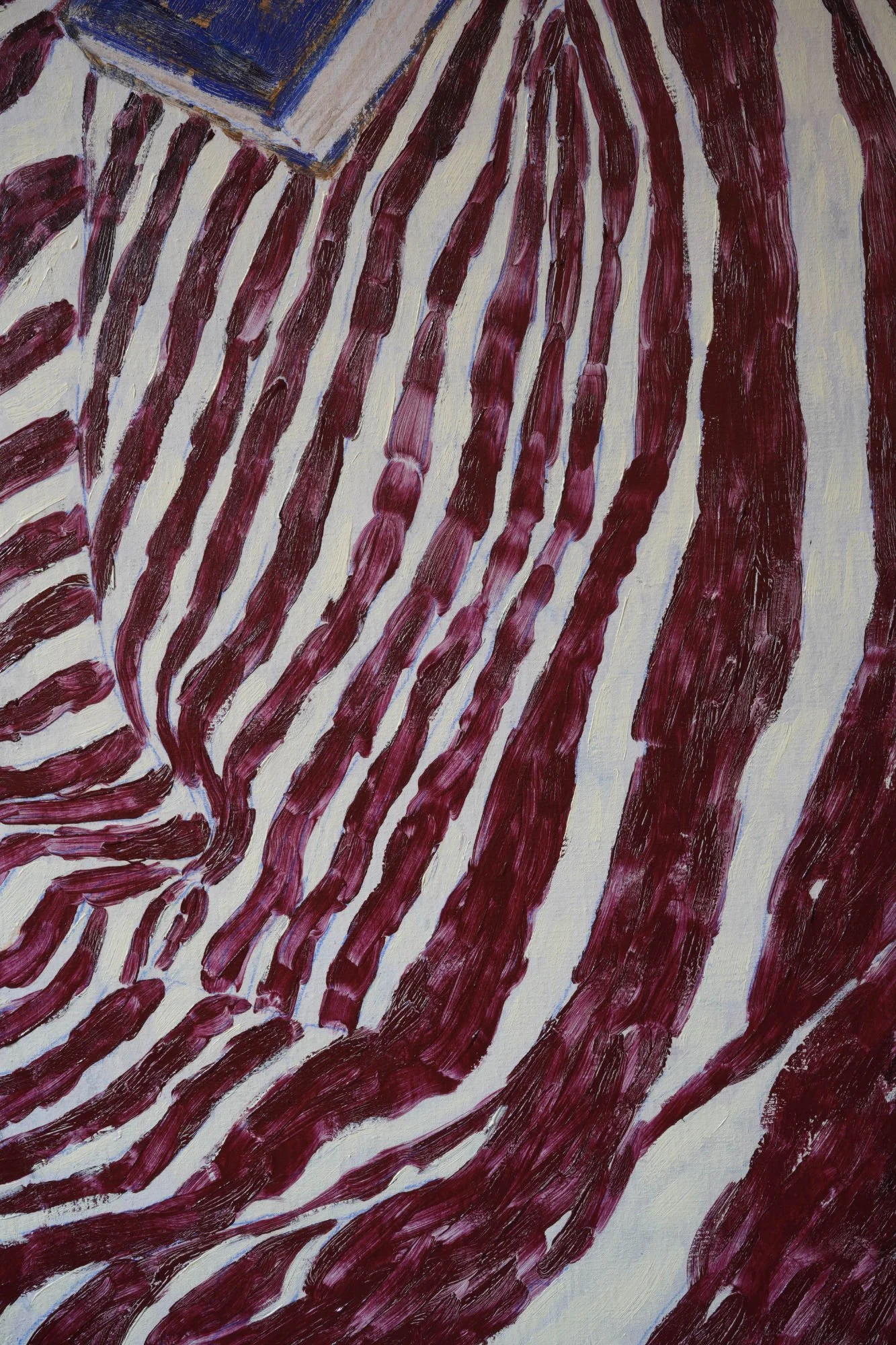
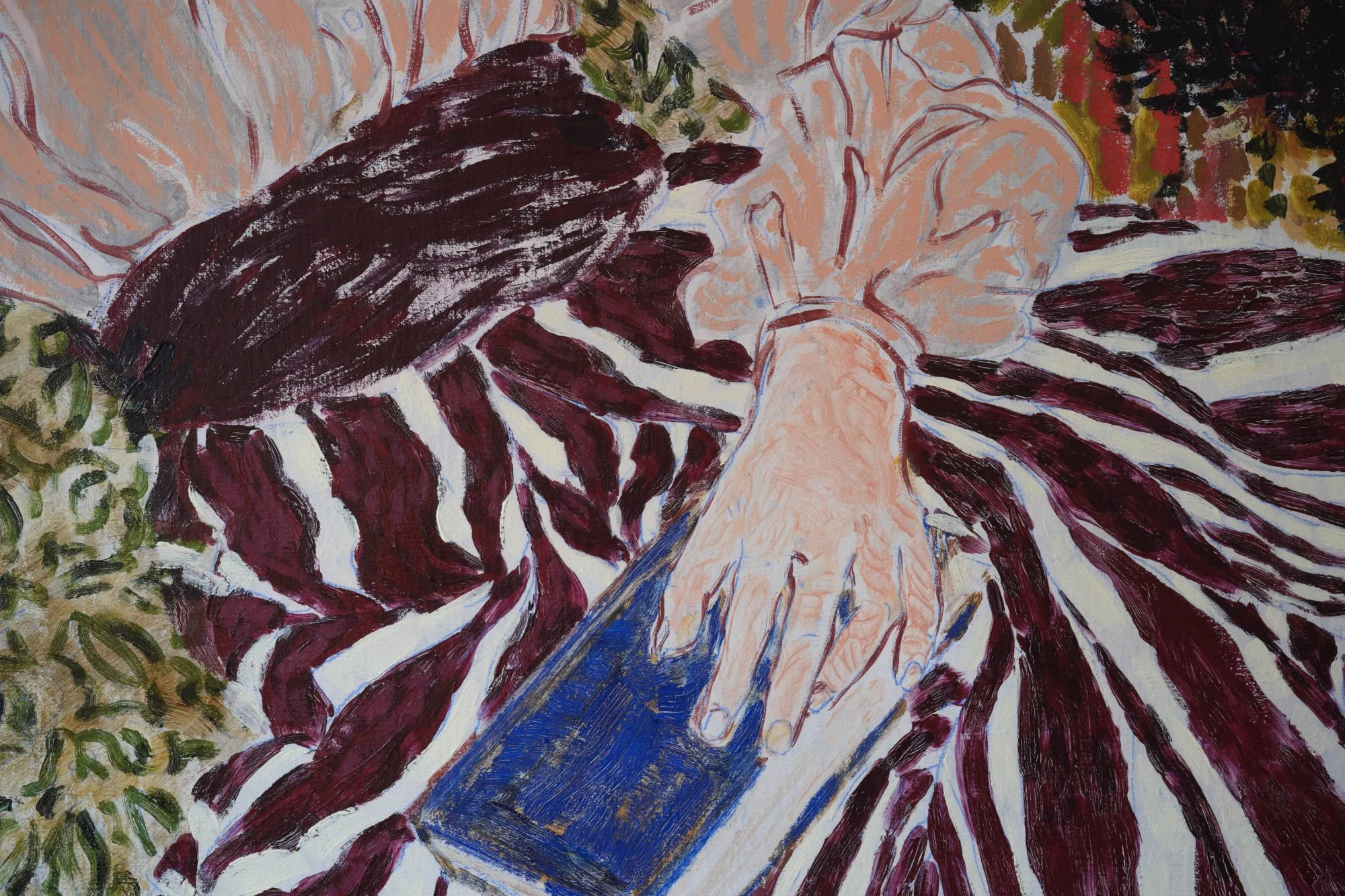
When I began the winter painting, I envisioned a writer, a thinker, a mind turned inward. At first I imagined a snow-covered woodland, but it felt incomplete. Something else called to me. I adjusted: the scene demanded the sea, restless, stormy, and alive. Not silence, but ancient knowledge. Books and a library appeared, an intricate carpet, impossible flowers from the greenhouse. A geometrically puzzling plaid skirt asserted itself, where one could get lost for hours trying to find the beginning and the end of a single line.
Outside the window, I saw a rugged coastline, wind tearing through the air, darkness gathering at the edges of the horizon. Inside, a sanctuary of thought: books, warmth, and reflection. I hesitated between muses, but over time and with Emilio's help, we settled on Maria Gaetana Agnesi. A woman of intellect and grace, a mathematician, philosopher, theologian, and humanitarian. She completed the cycle, the final movement. Her complexity and achievements crowned the collection, and suddenly winter became a passage from silence into chorus, from darkness into light.
Looking Back
I have come to realize that this project was more than a series of paintings. I was not depicting the seasons, I was being conducted by them. Each work became a movement in a greater composition, shaped by light and emotion.
The ‘Quattro Stagioni’ became a dialogue with time itself. To create alongside the seasons is to surrender to their wisdom. Each carries its own truth, shaped by memory and experience, yet together they form the inner music of our lives.
It was an exquisite experience, allowing nature to lead, and I, to become one of its instruments, resonating within its infinite composition. However the paintings no longer depend on me. They have entered the world and now live lives of their own. And with their completion, I realize that I, too, have been transformed. Caterina Sforza taught me the courage to bloom. Carlotta Ferrari reminded me to live fully, to let passion burn. Artemisia Gentileschi showed me how to release and find beauty in decline. Maria Gaetana Agnesi confirmed that one must trust in silence. And although they are all historical figures spanning from the 15th century up to the 19th century, the models that posed for these paintings are all real contemporary women, with ambitions and passions of their own.
The paintings may speak differently to each viewer, as they should. A painting reflects back only what the soul is ready to see. And if we accept that art feeds the soul then to support artists is to stand beside those who dare to explore the invisible, to give shape to what has not yet been spoken. With the help of people such as Emilio, the Medicis of today, we may hope for a declaration of the kind of world we choose to nurture, one where creation is given time, where meaning is not sacrificed to speed, and depth is valued over immediacy. In such a world, culture and art are not something we take, but something we participate in together. They exist fully only when given, a living exchange of freedom and grace.
As I close this chapter of the ‘Quattro Stagioni, I carry with me the wisdom that these paintings have given me. They will live on, aiding the transfiguration of those who will come across them, subtly shifting the perfume of the space they inhabit and infusing the air with their unique and authentic stories.